

Cardiovascular Diseases (CVD) are a major cause of illness and death worldwide. Medication adherence is vital for managing these diseases. Psychological factors, especially anxiety, greatly affect adherence in this group. This review collects current evidence on the connection between anxiety and medication adherence in cardiovascular patients. A wide literature search was done to gather information on anxiety rates, biological and social factors, assessment tools, and treatment strategies. Anxiety is common among CVD patients and harms medication adherence through emotional and thinking processes. Important demographic and clinical factors influence this connection. Psychological and technology-assisted treatments show promise in improving adherence and patient outcomes. Regular anxiety screening and care models that combine mental health and cardiovascular services are crucial for improving medication adherence. Future research should focus on culturally appropriate interventions and using digital health tools to boost adherence and quality of life for CVD patients.
Abstract
Share on Mobile
Scan to access on mobile
Keywords
Anxiety
Cardiovascular Disease
Cognitive Behavioral Therapy
Medication Adherence
Patient Compliance
INTRODUCTION
Overview of Cardiovascular Diseases (CVD)
CVD represent a primary cause of global mortality and a significant healthcare challenge, with projections indicating an increase in crude prevalence from 598 million in 2025 to 1.14 billion by 2050. Ischemic heart disease continues to be the most common form of CVD, followed closely by peripheral artery disease. Despite medical advancements, total mortality is anticipated to escalate from 20.5 million in 2025 to 35.6 million by 2050, primarily due to the aging population. Age-standardized mortality rates are forecasted to decrease by 30.5%, signifying enhancements in medical care. Key risk factors include high systolic blood pressure, dietary risks, and elevated cholesterol levels. Geographic and gender disparities underscore the necessity for region-specific interventions and customized preventive strategies to address the increasing global burden of CVD (Chong et al., 2025).
Importance of Medication Adherence
Medication adherence is crucial for managing chronic diseases. It affects disease control, hospitalization rates, and quality of life. Psychological factors such as motivation, thinking, stress, and social support greatly influence adherence. By contrast, issues like distress, side effects, and forgetfulness can make it harder. We can improve adherence and outcomes by addressing these issues with behavioral and psychological methods like cognitive-behavioral therapy, motivational interviewing, and patient education. Since adherence is influenced by biological, psychological, and social factors, care that combines medical, psychological, and social support is important. In conditions like cardiovascular disease and diabetes, consistent adherence helps prevent complications. Digital tools like mobile apps and wearables can also improve medication management and long-term health outcomes (Sanchis-Gomar and Lippi, 2025; Yazdani and Parsa, 2025; Zeng et al., 2025).
Rationale for Examining the Relationship Between Anxiety and Medication Adherence
Investigating the link between anxiety and medication adherence is essential for improving outcomes in cardiovascular patients. Anxiety affects emotional regulation and cognitive functions, making it difficult for patients to follow complex medication schedules. This leads to lower adherence rates, increasing the risk of negative cardiovascular events and hospitalizations (Ashour et al., 2024; Wells and Kelley).
Epidemiology of Anxiety in CVD
Demographic Factors Influencing Anxiety Levels
Demographic factors significantly influence anxiety levels among CVD patients. Studies show that female patients exhibit higher anxiety and depression scores compared to males, potentially due to hormonal fluctuations, social roles, and cultural factors. Age is another crucial factor, with patients over 60 years more likely to have higher anxiety and depression levels than younger groups, possibly linked to isolation and disease burden. Educational status also impacts anxiety, with illiterate and less-educated patients showing higher symptoms compared to those with higher education. Marital status plays a role, too; divorced and widowed individuals are at increased risk of anxiety and depression compared to married patients. Overall, sex, age, education, and marital status are key predictors of anxiety levels in CVD populations, underscoring the need for tailored mental-health interventions (Sisay et al., 2024).
Co-occurrence with Other Psychological Conditions Like Depression
Depression frequently co-occurs with anxiety in cardiovascular disease patients, with studies showing a 20.8% prevalence of depression and 23.2% anxiety among them. The co-occurrence of these psychological conditions worsens clinical outcomes and increases all-cause mortality risk. Meta-analyses indicate strong associations between CVD subtypes, such as coronary artery disease, myocardial infarction, and heart failure, with depression and anxiety symptoms. Genetic studies through Mendelian randomization suggest depression may causally contribute to the development and progression of specific CVDs. This comorbidity necessitates integrated mental health screening and management within cardiovascular care to improve prognosis and quality of life (Bojanić et al., 2021).
Mechanisms Linking Anxiety and Medication Adherence
Pathophysiological Pathways
Pathophysiological pathways linking anxiety, depression, and cardiovascular diseases involve complex interactions between neuroinflammation, immune dysregulation, and autonomic nervous system dysfunction. Chronic inflammation, characterized by elevated proinflammatory cytokines such as IL-1, IL-6, and TNF, plays a central role in sustaining systemic and neuroinflammatory states. This inflammation disrupts the blood-brain barrier, leading to microglial activation and altered neurotransmitter metabolism, including a shift of tryptophan metabolism from serotonin to neurotoxic kynurenine metabolites, contributing to depressive symptoms. Stress activates the hypothalamic-pituitary-adrenal axis, resulting in glucocorticoid imbalances that further enhance immune dysregulation and inflammatory signaling via NF-κB and β-adrenergic pathways (Figure 1) (Hole et al., 2025). Obesity and high-fat diets induce hypothalamic inflammation through mechanisms involving toll-like receptor 4 activation, angiotensin II, and circulating damaged mitochondria that stimulate the cGAS pathway, leading to sympathetic hyperactivity and endothelial dysfunction (Stathori et al., 2025). This sympathetic overactivity promotes cardiovascular disease through endothelial damage and hypertension. Autonomic dysfunction in conditions like end-stage renal disease further illustrates the interplay of impaired HR variability, inflammation, and immune cell modulation. Some treatments, including Selective Serotonin Reuptake Inhibitors (SSRIs), MAOIs, and GLP-1 receptor agonists, exhibit anti-inflammatory properties that influence these pathways, potentially improving both psychiatric and cardiovascular outcomes (Seibert et al., 2016).
Behavioral Factors
Behavioral factors have a strong impact on how chronic diseases, like cardiovascular disease, diabetes, and cancer, are managed and their outcomes. Psychological interventions, such as motivational interviewing, cognitive-behavioral therapy, mindfulness, and relaxation, encourage people to adopt healthier lifestyles, manage stress, and stick to their treatment plans. Chronic stress can worsen disease progression by causing physiological effects and promoting unhealthy behaviors. Social support, self-regulation, and health literacy help people cope and maintain changes in behavior, while obstacles like stigma, fear, and financial issues can make it harder to follow treatment. The Health Belief Model guides integrated care that combines medical, behavioral, and psychosocial approaches to improve overall health and manage chronic diseases (Fang et al., 2025; Yazdani and Parsa, 2025).
Impact of Anxiety on Medication Adherence
Statistical Relationships
Research evidence from statistical analyses shows a significant relationship between anxiety and CVD. A large population study found that symptoms of anxiety and depression are linked to both intentional and unintentional medication nonadherence, with odds ratios ranging from 1.33 to 2.60. Anxiety is connected to a fear of adverse drug reactions, while depression relates to the actual occurrence of these reactions. This contributes to nonadherence and worsened outcomes. Another study of asthma patients revealed an anxiety prevalence of 27.2%. Moreover, anxiety negatively correlates with disease control (r=-0.29, p<0.001) and adherence to inhalers (r=-0.32, p<0.001). Telemedicine interventions have been shown to improve medication adherence in patients with mental disorders, with an effect size (Hedges’ g) of 0.25 (95% CI=0.12-0.38, p=0.01). These findings highlight the two-way impact of anxiety on CVD through behavioral and physiological pathways (Mojtaba Alavi, 2020; Wang et al., 2025).
Influence of Anxiety Sensitivity and Somatic Symptoms
Anxiety sensitivity and physical symptoms play a major role in medication adherence for CVD. Research shows that higher anxiety sensitivity, which involves a fear of physical sensations, leads to increased alertness and misinterpretation of bodily symptoms. This often results in avoidance behaviors and poor adherence to treatment. Symptoms like palpitations or breathlessness can be wrongly seen as signs of worsening heart issues, creating anxiety that makes patients less willing or able to follow their medication plans. Reviews of studies on older CVD patients indicate that depression, which often occurs alongside anxiety, reduces medication adherence by about 40%, with odds ratios around 0.6. These psychological issues impact self-efficacy and health behaviors, leading to worse clinical outcomes. Addressing anxiety sensitivity through combined psychosocial support may improve adherence and overall heart health (Berimavandi et al., 2025; Siraj, 2025).
Variability Based on Type and Timing of Anxiety
Variability in the effect of anxiety on medication adherence in CVD depends on the type and timing of anxiety. Longitudinal studies in postcoronary artery Bypass Graft (CABG) patients show anxiety levels significantly decrease from admission to discharge in rehabilitation, but patients with preexisting stress and co-occurring depression tend to have persistently higher anxiety, negatively impacting adherence. Timing matters as acute anxiety pre- and post-surgery can impede recovery and adherence, whereas anxiety reduction during rehabilitation improves outcomes. Different anxiety types, including state anxiety (momentary) versus trait anxiety (chronic), have varying impacts on motivation and adherence behaviors. Integrated cardiac rehabilitation combining psychological support with physical care enhances adherence by addressing anxiety fluctuations across recovery phases (Carola et al., 2025; Panzeri et al., 2025; Sharma et al., 2025).
Methods of Assessing Anxiety and Adherence
HADS-A
The HADS-A is a common screening tool used to assess anxiety symptoms in both clinical and nonclinical groups, including those with heart diseases. It is part of the Hospital Anxiety and Depression Scale (HADS), which has 14 items split into two subscales: anxiety (HADS-A) and depression (HADS-D), with 7 items each. The HADS-A subscale aims to evaluate generalized anxiety symptoms while avoiding somatic symptoms that could overlap with medical issues. This makes it especially suitable for patients with health conditions. Each item is scored on a 4-point scale (0-3), giving a total score between 0 and 21; higher scores indicate more severe anxiety (Figure 3). The score cut-offs generally classify anxiety as normal (0-7), borderline abnormal (8-10), or abnormal (11-21). Its brevity, simplicity, and reliability have made the HADS-A a preferred assessment tool in cardiovascular research and clinical practice for identifying patients with clinically significant anxiety symptoms that could affect their health outcomes, such as sticking to prescribed medications (Chen et al., 2025; Julious et al., 1997).
Adherence Measurement Methods
Limitations in Measurement of Medication Adherence
Data Quality and Completeness
Real-world data sources, such as electronic health records and pharmacy databases, often have missing, inconsistent, or incomplete information. The lack of connections between prescribing and dispensing data, along with missing clinical details, makes it hard to reliably assess adherence and its direct link to clinical outcomes (Dai et al., 2025).
Implementation and Practical Barriers
Measuring adherence in everyday clinical practice faces obstacles like variations in the timing of data collection, patient preferences regarding pharmacy choice, limited integration of different adherence elements, and challenges in capturing subtle behavioral factors that affect adherence. These issues hinder the consistent implementation and interpretation of adherence measures in practical research and routine care (Corral-Partearroyo et al., 2025).
Clinical Implications
Screening for anxiety in CVD patients is essential. Psychological distress, especially anxiety and depression, negatively impacts medication adherence and clinical outcomes. About half of CVD patients show poor adherence, and mood disorders further reduce motivation and self-care. Ongoing anxiety weakens healthy behaviors and raises hospital visits and healthcare costs. Early detection and support through psychological help or integrated care can improve adherence, quality of life, and long-term cardiovascular results. Therefore, routine anxiety screening should be an important part of CVD management (Kwek et al., 2025; Mojtaba Alavi, 2020).
Role of healthcare professionals and multidisciplinary teams
Barrios-Rodríguez, Requena, Borowska, and Ostrowski (2025), Patel, Huang, and Miliara (2025) and Veloso, Rocha, Macedo, Teixeira, and Almeida.
Interventions and Strategies to Improve Adherence
Group Psychological Therapy
Group therapy helps individuals with cardiovascular issues and anxiety or depression. It builds social support, develops coping skills, and reduces depressive symptoms. It serves as a safe and cost-effective alternative to one-on-one therapy.
Individual Counselling
In-person counseling shows significant decreases in anxiety and depression. It addresses specific emotional and cognitive challenges. This approach allows for personalized coping strategies and improves patients’ understanding of their illness, leading to better treatment adherence.
Internet-based Cognitive Behavioral Therapy (CBT)
Online or telehealth CBT reduces anxiety, depression, and stress. It improves the quality of life and mental health for cardiovascular patients. This method provides flexible access and helps overcome barriers to care.
Progressive Muscle Relaxation and Mindfulness
Techniques based on Jacobson’s progressive muscle relaxation and mindfulness reduce anxiety and promote mental balance. They work well alongside cognitive strategies.
Multidisciplinary Cardiac Rehabilitation Programs
Adding psychological interventions like psychoeducational groups, relaxation techniques, and counseling to cardiac rehabilitation programs improves mental health. This approach encourages healthier lifestyle choices and leads to better patient adherence and outcomes.
Strategies to Improve Adherence
CBT for anxiety
CBT is widely recognized as an effective approach for reducing anxiety in people with CVD. Significant improvements have been seen in anxiety and depression symptoms, along with a better quality of life. The main components of CBT are cognitive restructuring, behavioral activation, exposure therapy, and problem-solving. These can be offered in person or online, either one-on-one or in groups. Both therapist-assisted and self-administered Internet-based CBT (iCBT) show similar effectiveness. Shorter programs, lasting less than 9 weeks, and those with fewer modules, under 8, tend to be more effective for anxiety. In contrast, longer programs with more modules help more with depression. Common medications include SSRIs, SNRIs, and anxiolytics such as benzodiazepines. Examples are sertraline at 50-200 mg/day, escitalopram at 10-20 mg/day, and paroxetine at 20-40 mg/day (Figure 5) (Kwek et al., 2025; Wang et al., 2024).
Techniques to alleviate anxiety sensitivity
The use of CBT techniques, such as cognitive restructuring, behavioral activation, exposure therapy, relaxation training, and emotion regulation, effectively reduces anxiety sensitivity in cardiovascular patients. This approach tackles unhelpful thoughts and avoidance behaviors. Exposure therapy, a part of CBT or iCBT, is known for its effectiveness in lowering both general and heart-related anxiety among cardiovascular patients. It does this by slowly exposing patients to feared sensations or situations, which helps decrease their anxiety response over time (Baourda and Panagiotakos, 2025).
Utilization of digital tools and reminders
iCBT and digital health solutions, like web and mobile apps, greatly improve accessibility. They make self-directed learning easier and provide flexible educational opportunities. These tools also include interactive features and homework assignments. Many of these solutions have automated reminders to help users complete sessions and take care of themselves. Therapist-guided iCBT interventions use regular digital reminders and scheduled online check-ins. This approach encourages better adherence and ongoing engagement with mental health and medication plans (Kwek et al., 2025; Wang et al., 2024).
Strengthening social support
Social support improves through group interventions, whether online or in person. Peer discussion forums on digital platforms and collaborative activities involving family members also help. Nurse-led CBT or iCBT programs build ongoing therapeutic relationships and provide both psychological and practical support. This further boosts feelings of connection, accountability, and motivation for lasting behavior change (Baourda and Panagiotakos, 2025).
Special Populations and Contexts
Women with CVD usually have higher rates of depression and anxiety than men, and this difference continues across age groups. Younger men with CVD show a notably increased risk for depression and anxiety, but the overall rates are always higher in women. Women also report more severe symptoms and are more likely to seek mental health support, while men often downplay their symptoms and avoid getting help.
People with lower socioeconomic status and less education tend to experience higher anxiety levels and poorer coping skills in CVD patients. Factors like hospital satisfaction, family support, urban-rural differences, and economic struggles all contribute to greater psychological distress and anxiety. Cultural stigma can also hinder seeking help and discussing anxiety symptoms openly, especially during critical times like the COVID-19 pandemic.
Comorbidities make anxiety worse for cardiovascular patients by increasing symptoms, complicating treatment, and raising distress, making integrated care essential (Bondar et al., 2025; Knox et al., 2025; Ul Haq et al., 2025).
Future Research Directions
Future research should focus on community-based, culturally tailored, and technology-driven approaches to tackle anxiety’s effects on medication adherence in CVD. Studies must prioritize including underserved, rural, and ethnic minority groups in clinical trials. This inclusion will help ensure that interventions are relevant and fair. Longitudinal research at different time points is crucial for understanding changes in optimism, anxiety, and medication-taking behaviors. It will also test if a better quality of life leads to improved medication adherence.
Researchers should use implementation science methods, such as practice facilitation and stepped-wedge designs, to apply evidence-based adherence programs in real rural family practice settings. New areas to explore include the increased use of mobile health (mHealth) tools, personalized medication approaches through pharmacogenetics, and digital cognitive behavioral therapy platforms that suit low-resource situations.
Additionally, research should look into positive psychological methods, such as optimism training and growth strategies after trauma, as supplements to traditional anxiety reduction techniques. This research should also analyze how coping strategies, stress resilience, and social support networks play a role. Advocacy at the policy level for reimbursement, infrastructure improvements, and fair research funding is vital to achieving lasting gains in medication adherence (Anestina, 2025; Kupper et al., 2025).
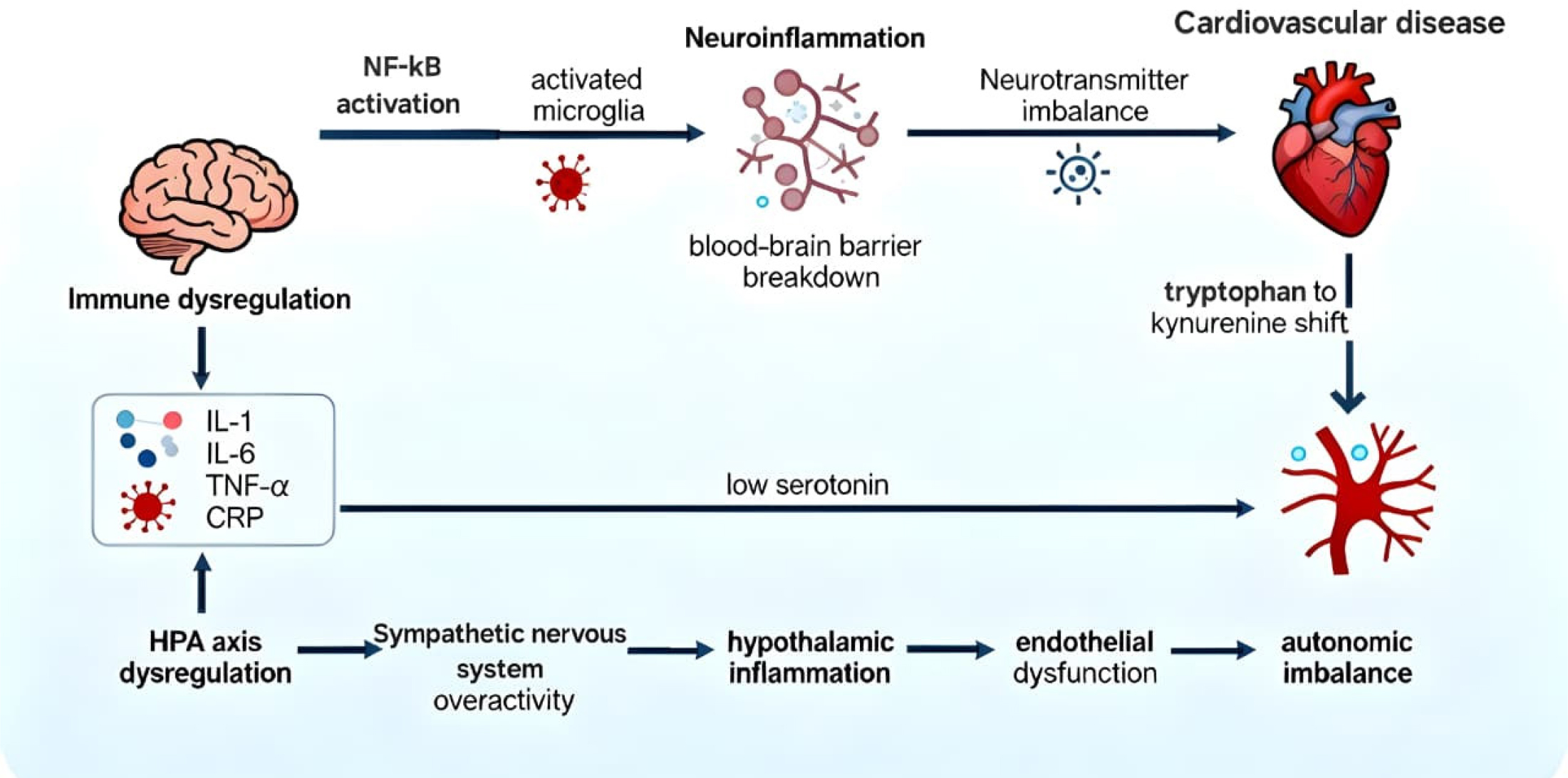
Figure 1:
Immune, neuroendocrine, and autonomic mechanisms in anxiety-associated cardiovascular disease (Hole et al., 2025; Seibert et al., 2016; Stathori et al., 2025).
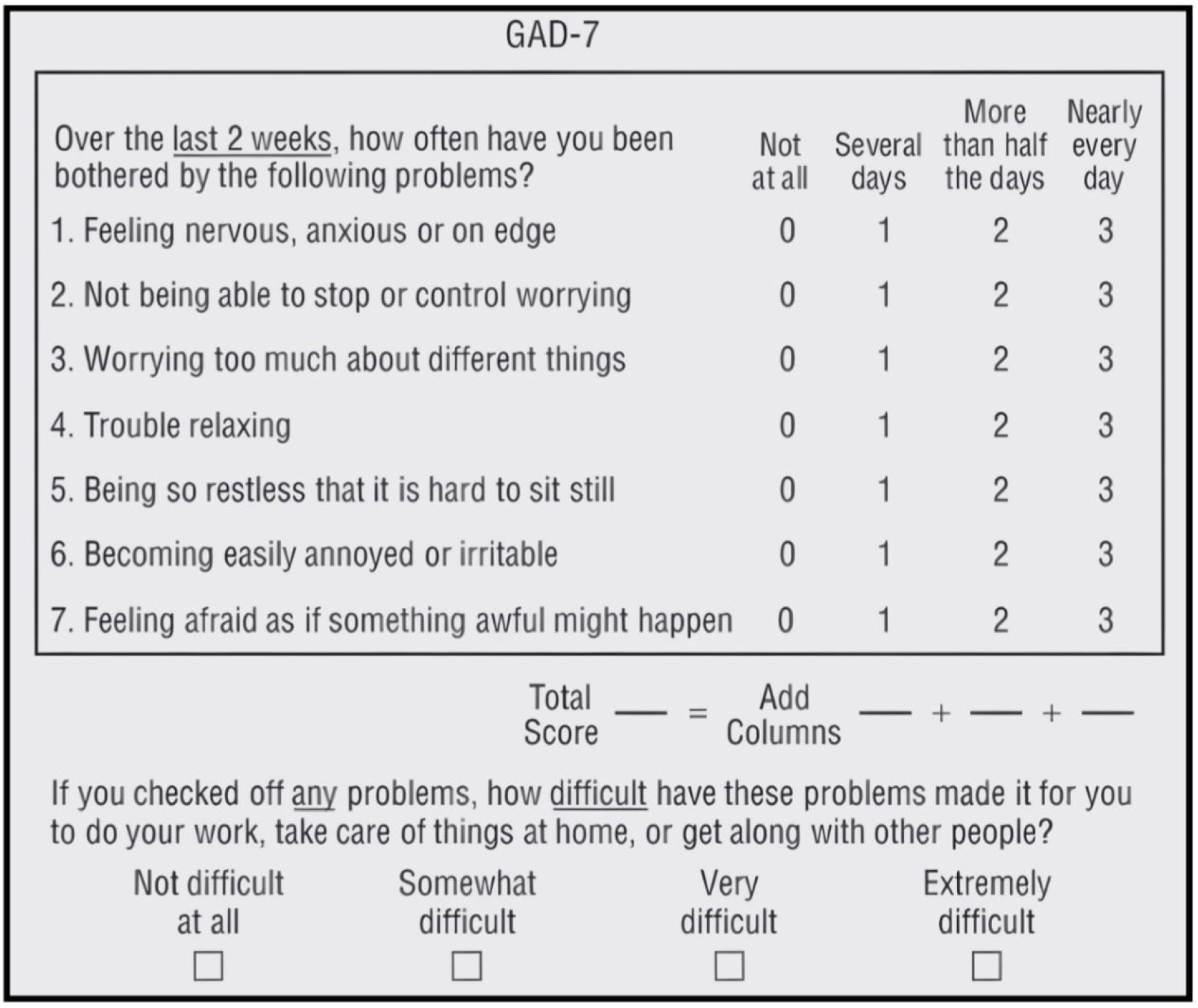
Figure 2:
The Generalized Anxiety Disorder 7-item (GAD-7) scale.
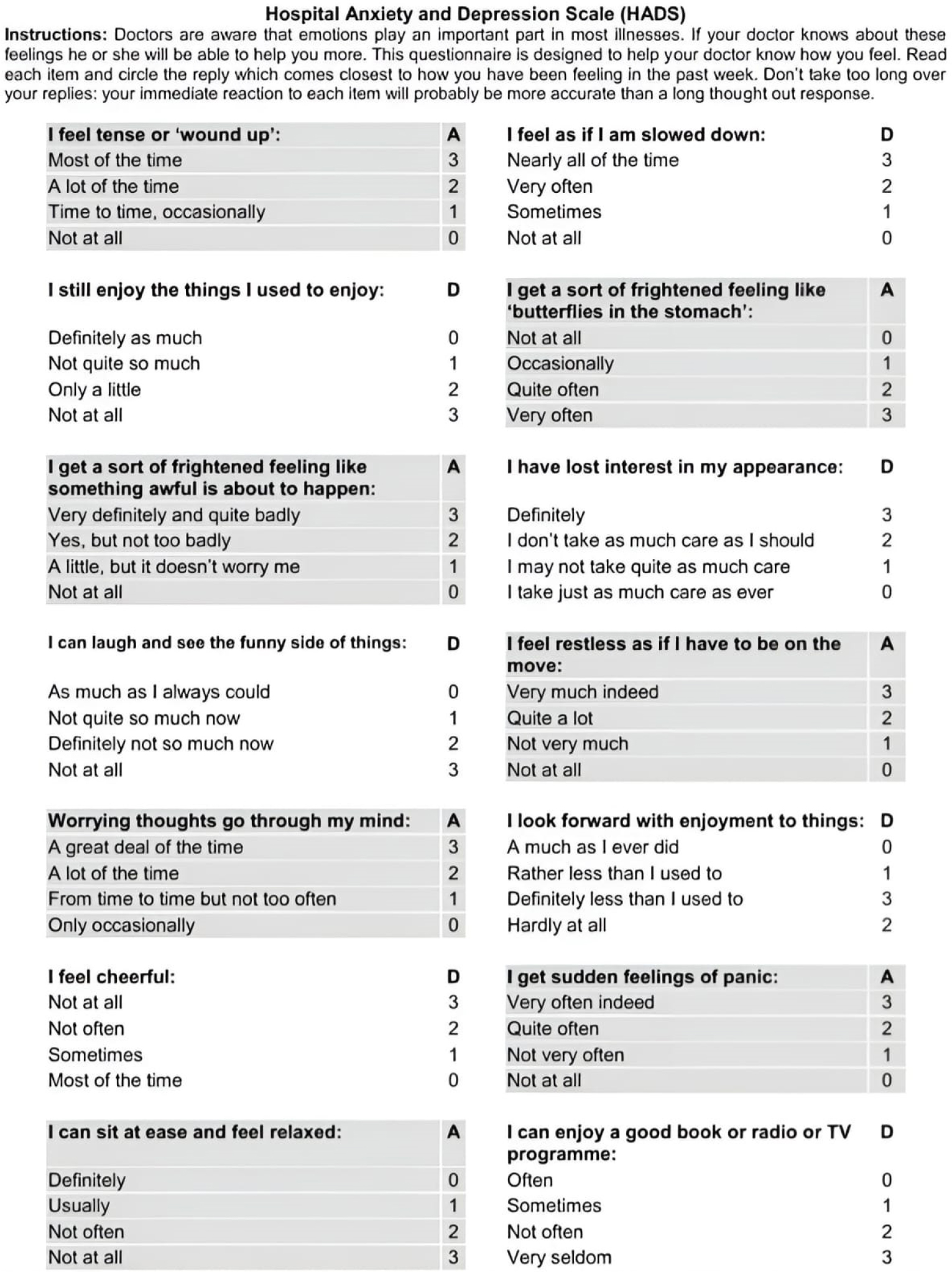
Figure 3:
The Hospital Anxiety and Depression Scale (HADS) is a 14-item questionnaire (Chen et al., 2025; Julious et al., 1997).
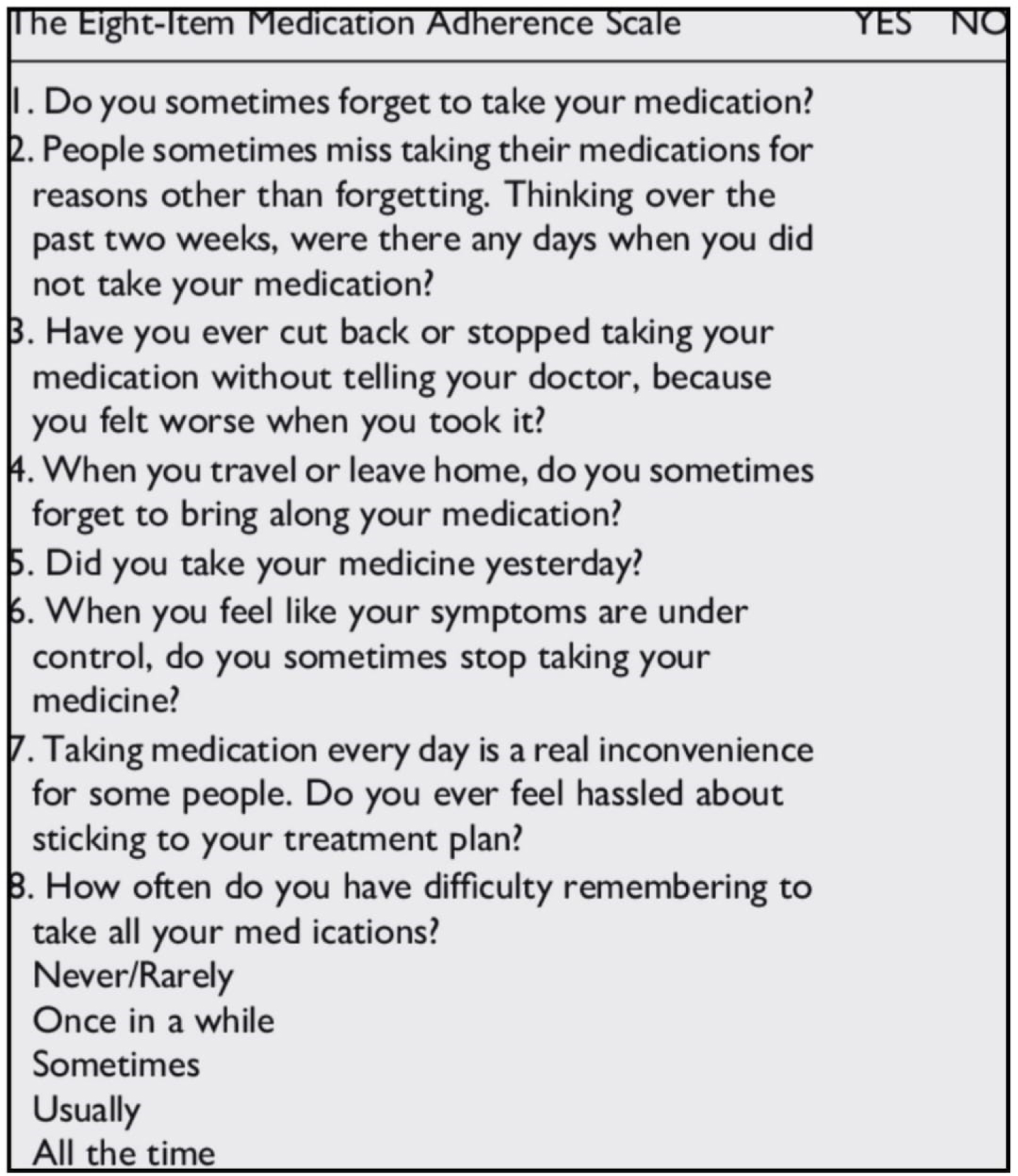
Figure 4:
Eight-item Morisky Medication Adherence Scale (MMAS-8) (Sanchis-Gomar and Lippi, 2025).
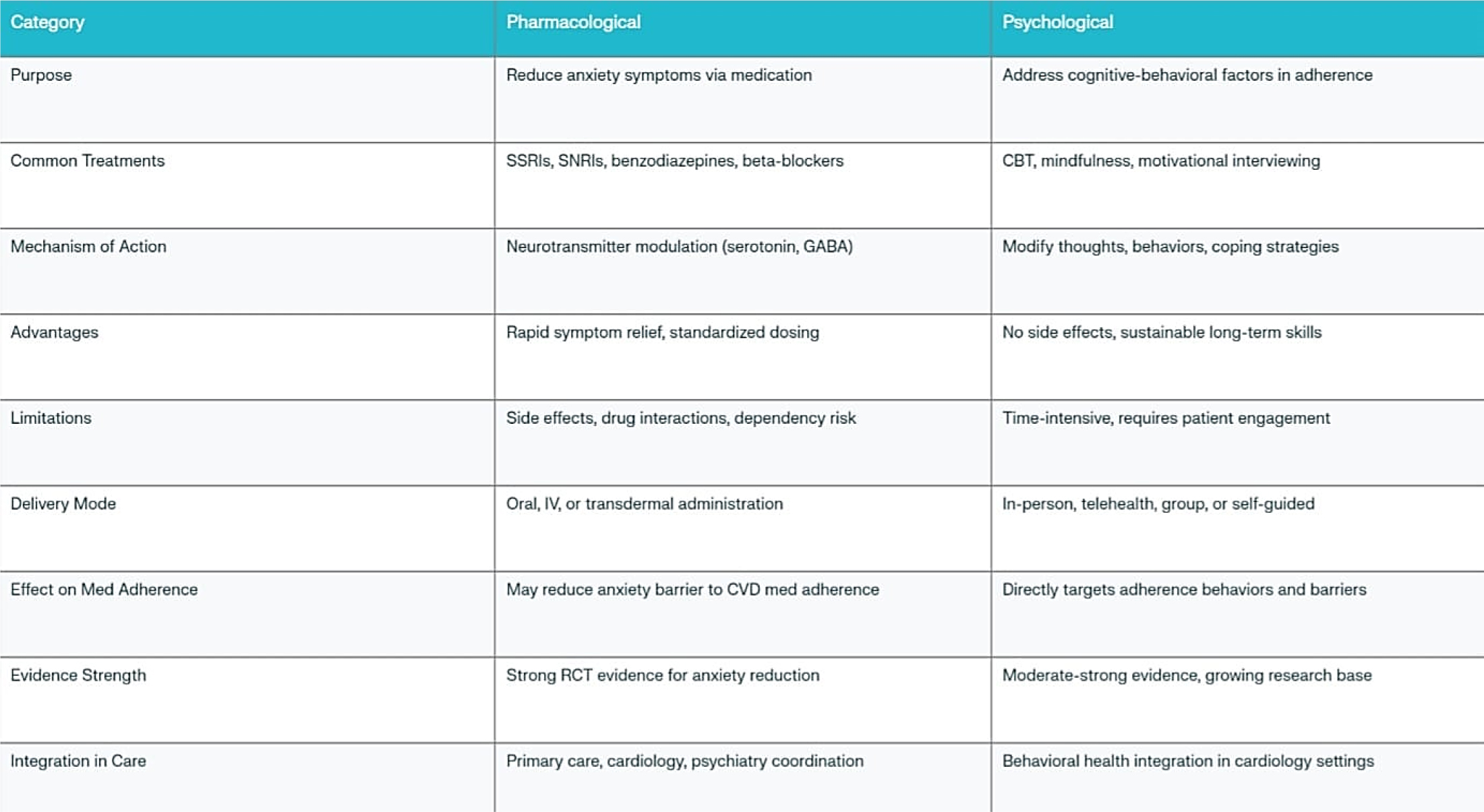
Figure 5:
Pharmacological and Psychological approaches for medication adherence (Berimavandi et al., 2025; Kwek et al., 2025).
CONCLUSION
Current evidence shows that anxiety greatly affects medication adherence and quality of life for patients with CVD. Psychological distress makes clinical outcomes worse. Therapies like therapist-supported iCBT have shown promise, particularly in dealing with depression and improving quality of life. However, the specific effects on anxiety are still unclear. Given how common anxiety is and its harmful effects, routine screening and effective management are crucial parts of cardiovascular care. Recommendations highlight the need for targeted interventions that address anxiety’s specific symptoms in CVD patients. These should combine psychological therapies with traditional heart care. Nurses play an important role here because they have frequent contact with patients and build strong therapeutic relationships. They can effectively deliver psychological support and help maintain adherence. There is a strong call for integrated care models that combine mental health and cardiology services to offer comprehensive, patient-centred care. Collaboration between different disciplines, backed by research and policy frameworks, is vital to break down barriers and ensure ongoing mental health screening, personalized treatment, and fair access, especially for underserved groups. Building optimism and psychological resilience, along with focusing on behavior adherence, may improve long-term recovery and health outcomes for this vulnerable population.
The Generalized Anxiety Disorder-7 (GAD-7) scale is a 7-item self-report questionnaire. It asks how often, over the last 2 weeks, individuals have been bothered by core anxiety symptoms (items 1-7). Each item is rated from 0 = Not at all, 1 = Several days, 2 = More than half the days, and 3 = Nearly every day. The scores for each item are added together to get a total severity score. The scale also includes a single item that rates how difficult these problems have made it to function at work, at home, or with other people. The options are Not difficult at all, Somewhat difficult, Very difficult, and Extremely difficult.
The Hospital Anxiety and Depression Scale (HADS) is a 14-item self-report questionnaire designed to assess anxiety and depression in medically ill patients. It asks respondents to rate their feelings over the past week. Each item is scored from 0 to 3. Seven items make up the Anxiety subscale (HADS-A, labelled “A”), and seven items form the Depression subscale (HADS-D, labelled “D”). The scores from each subscale are added together to show the severity of symptoms.
The Eight-Item Morisky Medication Adherence Scale (MMAS-8) is a self-report questionnaire. It has seven yes/no questions and one item with five frequency options: Never/Rarely, Once in a while, Sometimes, Usually, and All the time. This scale measures forgetfulness, intentional dose omission, and practical barriers to taking medicines. The scores from the items are combined to determine each patient's overall level of medication adherence.
Comparative overview of drug-based versus psychological treatments for anxiety in Cardiovascular Disease (CVD) care and their effects on medication adherence. The table compares purpose, common treatments, how they work, benefits, drawbacks, delivery methods, effects on medication adherence, evidence strength, and integration into routine care. Drug options (e.g., SSRIs, SNRIs, benzodiazepines, beta-blockers) work by modulating neurotransmitters. In contrast, psychological approaches (e.g., CBT, mindfulness, motivational interviewing) change thoughts, behaviors, and coping strategies to directly tackle adherence issues.
Conflict of Interest
The authors declare that there is no conflict of interest.
References
Alaiti, R. K., Reis, F. J. J., Arruda-Sanchez, T., Caneiro, J. P., Meulders, A.. (2025). Unraveling the role of fear and avoidance behavior in chronic musculoskeletal pain: From theory to physical therapy clinical practice. Brazilian Journal of Physical Therapy, 29(3), 101197. https://doi.org/10.1016/j.bjpt.2025.101197
Anestina, O. N.. (2025). Pharmacological interventions in underserved populations: A translational study on medication adherence and chronic disease outcomes in rural family practice settings. Journal of Applied Pharmaceutical Sciences and Research, 8(1), 52-59. https://doi.org/10.31069/japsr.v8i1.07
Ashour, A. M., Masa’deh, R., Hamaideh, S. H., Elshatarat, R. A., Yacoub, M. I., Almagharbeh, W. T., Eltayeb, M. M.. (2024). Examining the influence of anxiety and depression on medication adherence among patients diagnosed with acute myocardial infarction. BMC Psychology, 12(1), 473. https://doi.org/10.1186/s40359-024-01959-4
Baourda, V. C., Panagiotakos, D.. (2025). Cognitive behavioral therapy for the management of cardiometabolic disease risk factors; a systematic meta-review of meta-analyses. BMC Psychiatry, 25(1), 675. https://doi.org/10.1186/s12888-025-07015-8
Berimavandi, M., Abbasi, P., Khaledi-Paveh, B., Salari, N.. (2025). Relationship between depression and medication adherence in older patients with cardiovascular disease: A systematic review and meta-analysis. Health Science Reports. 8(5), e70703. https://doi.org/10.1002/hsr2.70703
Bojanić, I., Sund, E. R., Sletvold, H., Bjerkeset, O.. (2021). Prevalence trends of depression and anxiety symptoms in adults with cardiovascular diseases and diabetes 1995-2019: The HUNT studies, Norway. BMC Psychology, 9(1). https://doi.org/10.1186/s40359-021-00636-0
Bondar, L. I., Iovanovici, D. C., Măduța, V., Butari, D. B., Șandor, F. M., Mariș, M. A.. (2025). Screening depression in ischemic heart disease: Gender differences and psychosocial implications using a self-developed questionnaire. Journal of Clinical Medicine, 14(3), 837. https://doi.org/10.3390/jcm14030837
Carola, V., Gigli, V., Cellucci, F., Coli, M., Nicolais, S., Piras, C., Nicolais, G.. (2025). Applied Psychophysiology and Biofeedback. https://doi.org/10.1007/s10484-025-09742-w
Chen, J., Chen, X., Wu, T., Qi, X., Liu, Z., Chen, J., Chen, Y.. (2025). Cross-cultural adaptation and psychometric validation of the Body Perception Questionnaire-Short Form (BPQ-SF) among Chinese patients with coronary heart disease. International Journal of Methods in Psychiatric Research, 34(3), e70035. https://doi.org/10.1002/mpr.70035
Chong, B., Jayabaskaran, J., Jauhari, S. M., Chan, S. P., Goh, R., Kueh, M. T. W., Chan, M. Y.. (2025). Global burden of cardiovascular diseases: Projections from 2025 to 2050. European Journal of Preventive Cardiology, 32(11), 1001-1015. https://doi.org/10.1093/eurjpc/zwae281
Corral-Partearroyo, C., Sánchez-Viñas, A., Aznar-Lou, I., Peñarrubia-María, M. T., Gil-Girbau, M., Gallardo-González, C., Rubio-Valera, M.. (2025). Effectiveness of a patient-centred complex intervention to improve Initial Medication Adherence to cardiovascular disease and diabetes treatments in primary care (the IMA-cRCT study): A pragmatic cluster randomised controlled trial using real-world data. BMJ Quality and Safety, bmjqs-2024-018402. https://doi.org/10.1136/bmjqs-2024-018402
Crepaldi, M., Zambetti, E., Lanfranchi, F., Zenoni, E., Bariletti, I., Quarenghi, F., Greco, A.. (2025). How to improve the well-being of patients in cardiac rehabilitation? A contribution of psychological treatments. Frontiers in Psychology, 16, 1592591. https://doi.org/10.3389/fpsyg.2025.1592591
Dai, Z., Liu, Y., Huang, X., Jiang, Z., Wu, W., Wang, Z.. (2025). Trajectory and predictors of medication adherence in patients after PCI: A prospective longitudinal study [Internet].
Dunbar-Jacob, J., Zhao, J.. (2025). Medication adherence measurement in chronic diseases: A state-of-the-art review of the literature. Nursing Reports. Multidisciplinary Digital Publishing Institute (MDPI), 15(10), 370. https://doi.org/10.3390/nursrep15100370
Ekanmian, G., Lunghi, C., Vasiliadis, H. M., Guénette, L.. (2025). Trajectories of antidiabetic medication adherence in older adults and the effect of depression and anxiety symptoms.
El-Malahi, O., Mohajeri, D., Bäuerle, A., Mincu, R. I., Rammos, C., Jansen, C., Lortz, J.. (2025). The influence of eHealth stress management interventions on psychological health parameters in patients with cardiovascular disease: Systematic review and meta-analysis. Journal of Medical Internet Research, 27, e67118. https://doi.org/10.2196/67118
Fang, J., Cheng, Y., Liu, Y., Yang, Q.. (2025). How delays in seeking medical care for cervical cancer patients are affected by their health-seeking behaviour: A qualitative study. BMC Public Health, 25(1), 2881. https://doi.org/10.1186/s12889-025-23783-0
Hole, C., Dhamsania, A., Brown, C., Ryznar, R.. (2025). Immune dysregulation in depression and anxiety: A review of the immune response in disease and treatment. Cells. Multidisciplinary Digital Publishing Institute (MDPI), 14(8), 607. https://doi.org/10.3390/cells14080607
Julious, S. A., George, S., Machin, D., Stephens, R. J.. (1997). Sample sizes for randomized trials measuring quality of life in cancer patients. Quality of Life Research, 6(2), 109-117. https://doi.org/10.1023/A:1026481815304
Knox, E. C. L., Mateo-Rodríguez, I., Daponte-Codina, A., Rosell-Ortiz, F., Solá-Muñoz, S., Codina-Rodríguez, A., Ruiz-Azpiazu, J. I.. (2025). Gender differences in clinical practice regarding coronary heart disease: A systematic review. Journal of Clinical Medicine. Multidisciplinary Digital Publishing Institute (MDPI), 14(5), 1583. https://doi.org/10.3390/jcm14051583
Kupper, N., Post, N., Kop, W. J., Widdershoven, J.. (2025). The longitudinal association of optimism with quality of life after percutaneous coronary intervention for coronary heart disease; The THORESCI study. General Hospital Psychiatry, 94, 1-9. https://doi.org/10.1016/j.genhosppsych.2025.02.008
Kwek, S. Q., Yeo, T. M., Teo, J. Y. C., Seah, C. W. A., Por, K. N. J., Wang, W.. (2025). Effectiveness of therapist-supported internet-based cognitive behavioural therapy interventions on depression, anxiety and quality of life among patients with cardiovascular disease: A systematic review and meta-analysis. European Journal of Cardiovascular Nursing. Oxford University Press, 24(6), 860-870. https://doi.org/10.1093/eurjcn/zvaf084
Mahmoud, A. A., Saeed, A. A., Elnour, A. A., Osama, O. E. M., E M, N., Menon, V., Al Amoodi, A.. (2025). Correction: A cross-sectional study on the assessment of adherence to cardiovascular medications in Sudan heart center. PLOS One, 20(5), e0325308. https://doi.org/10.1371/journal.pone.0325308
Martínez-Quintana, E., Codana-Alcántara, K., Montesdeoca-Naranjo, H. M., García-Suárez, M. I., Fleitas-Álvarez, M. P., Alcántara-Castellano, M., Bosch-Casañas, E.. (2025). Group psychological therapy program in adult patients with congenital heart disease and anxious-depressive symptoms. Medicina, 61(1), 90. https://doi.org/10.3390/medicina61010090
Mojtaba Alavi, S.. (2020). Mohammad Hashem Montazeri S, Taheri Kharameh. Z. Journal of Vessels and Circulation Adherence to Treatment and Its Relationship with Anxiety and Depression in Patients with Cardiovascular Disease.
Ohi, K., Fujikane, D., Takai, K., Kuramitsu, A., Muto, Y., Sugiyama, S., Shioiri, T.. (2025). Clinical features and genetic mechanisms of anxiety, fear, and avoidance: A comprehensive review of five anxiety disorders. Molecular Psychiatry, 30(10), 4928-4936. https://doi.org/10.1038/s41380-025-03155-1
Ojha, R., Adhikari, C., Kaphle, H. P., Adhikari, D.. (2025). Intertwined risk factors of mental health and cardiovascular diseases: A cross-sectional survey in Godawari Municipality of Far-western Nepal. PLOS One, 20(5), e0321436. https://doi.org/10.1371/journal.pone.0321436
Panzeri, A., Bruno, G., Bertolotti, G., Spoto, A., Corbellini, D., Brandonisio, A., Bettinardi, O.. (2025). Psychological and physical health improvements after coronary bypass: A longitudinal study in cardiovascular rehabilitation. European Journal of Investigation in Health, Psychology and Education, 15(10), 203. https://doi.org/10.3390/ejihpe15100203
Patel, S., Huang, M., Miliara, S.. (2025). Understanding treatment adherence in chronic diseases: Challenges, consequences, and strategies for improvement. Journal of Clinical Medicine. Multidisciplinary Digital Publishing Institute (MDPI), 14(17), 6034. https://doi.org/10.3390/jcm14176034
Religioni, U., Barrios-Rodríguez, R., Requena, P., Borowska, M., Ostrowski, J.. (2025). Enhancing therapy adherence: Impact on clinical outcomes, healthcare costs, and patient quality of life, 61.
Sanchis-Gomar, F., Lippi, G.. (2025). The forgotten connection: Mental health and cardiovascular disease. Heart and Mind, 9(1), 3-4. https://doi.org/10.4103/hm.HM-D-24-00096
Sanz-Corbalán, I., Tardáguila-García, A., García-Álvarez, Y., López-Moral, M., Álvaro-Afonso, F. J., Lázaro-Martínez, J. L.. (2024). Evaluation of adherence to the oral antibiotic treatment in patients with diabetic foot infection. International Journal of Lower Extremity Wounds, 23(3), 397-402. https://doi.org/10.1177/15347346211057342
Scholarworks, S., Allwell, C.. GAD-7 screening tool implementation [Internet]. ScholarWorks.
Seibert, E., Zohles, K., Ulrich, C., Kluttig, A., Nuding, S., Kors, J. A., Girndt, M.. (2016). Association between autonomic nervous dysfunction and cellular inflammation in end-stage renal disease. BMC Cardiovascular Disorders, 16(1), 210. https://doi.org/10.1186/s12872-016-0385-1
Sharma, M., Sharma, R., Darbari, A., Kumar, B.. (2025). Effect of modified and standard cardiac rehabilitation program on bio-psycho-physiological parameters among acute coronary syndrome patients at a tertiary care institute: A randomized controlled trial protocol. International Journal of Community Medicine and Public Health, 12(7), 3319-3326. https://doi.org/10.18203/2394-6040.ijcmph20252136
Siraj, R. A.. (2025). COPD and comorbid mental health: Addressing anxiety, and depression, and their clinical management. Medicina, 61(8), 1426. https://doi.org/10.3390/medicina61081426
Sisay, T., Mulate, M., Hailu, T., Belete, T. M.. (2024). The prevalence of depression and anxiety among cardiovascular patients at University of Gondar specialized hospital using beck’s depression inventory II and Beck Anxiety Inventory: A cross-sectional study. Heliyon, 10(2), e24079. https://doi.org/10.1016/j.heliyon.2024.e24079
Spitzer, R. L., Kroenke, K., Williams, J. B. W., Löwe, B.. (2006). A brief measure for assessing generalized anxiety disorder: The GAD-7. Archives of Internal Medicine, 166(10), 1092-1097. https://doi.org/10.1001/archinte.166.10.1092
Stathori, G., Vlahos, N. F., Charmandari, E., Valsamakis, G.. (2025). Obesity- and high-fat-diet-induced neuroinflammation: Implications for autonomic nervous system dysfunction and endothelial disorders. International Journal of Molecular Sciences. Multidisciplinary Digital Publishing Institute (MDPI), 26(9), 4047. https://doi.org/10.3390/ijms26094047
Szymczak, H., Brandstetter, S., Ehrenstein, B., Steinmann, M., Apfelbacher, C.. (2025). Depression does not moderate the association between beliefs about medicines and medication adherence in patients with rheumatoid arthritis: A longitudinal study. Journal of Health Psychology, 31(2), 858-866. https://doi.org/10.1177/13591053251345584
Ul Haq, M. S., Jawed, D. N., Patel, N., Khan, W., Alamgir, A., Yamin, S., Khursheed, M.. (2025). Exploring anxiety symptoms, coping strategies, and socio-demographic influences among myocardial infarction patients in a tertiary care setting. PLOS One, 20(5), e0323904. https://doi.org/10.1371/journal.pone.0323904
Veloso, A., Rocha, R., Macedo, G., Teixeira, A., Almeida, V.. Scientific Letters cardiovascular rehabilitation: Perspectives of patients and healthcare professionals on the im-plementation of multidisciplinary programs. https://doi.org/10.48797/sl.2025.282
Wang, S., Gao, L., Wang, C., Bai, J., Shen, M., Zhao, X., Lin, M.. (2024). Effects of internet-based cognitive behavioral therapy on anxiety and depressive symptoms among patients with cardiovascular and cerebrovascular diseases: A systematic review and meta-analysis. Frontiers in Psychiatry, 15, 1433558. https://doi.org/10.3389/fpsyt.2024.1433558
Wang, T., Li, Z., Wei, Y., Zhang, X., Yuan, Q., Zhang, X., Lei, Q.. (2025). Association between anxiety disorders and medication adherence in patients with cardiovascular disease: A systematic review and meta-analysis of observational studies. BMC Psychiatry. BioMed Central Limited, 25(1), 1005. https://doi.org/10.1186/s12888-025-07350-w
Wells, A., Kelley, B.. Scan QR code for references. Social connectedness and treatment adherence in counseling: A pilot study.
Yazdani, S., Parsa, M.. (2025). Health psychology and stress management in chronic illness [Internet]. ResearchGate.
Zeng, J., Qiu, Y., Yang, C., Fan, X., Zhou, X., Zhang, C., Wei, Y.. (2025). Cardiovascular diseases and depression: A meta-analysis and Mendelian randomization analysis. Molecular Psychiatry, 30(9), 4234-4246. https://doi.org/10.1038/s41380-025-03003-2