

Organ transplantation is a life-saving medical operation in which a healthy graft from a donor is used to replace a failing or diseased organ. Maintaining graft survival and preventing allograft rejection require lifelong immunosuppressive treatment.
The purpose of this retrospective observational study was to examine the immunosuppressive medication prescription trend among post-transplant patients at a Bengaluru tertiary care facility.
Over the course of 6 months, 107 prescriptions were examined.
The greatest-age group was 41-50 years old (32.7%), with men making up most patients (81.7%). Tacrolimus, prednisolone, and mycophenolate mofetil was the most often given combination (22.4%), followed by tacrolimus, mycophenolate sodium, and prednisolone, 18.7%. Tacrolimus alone was prescribed to 6 patients (5.6%) for maintenance therapy, whereas dual therapy was less prevalent, with tacrolimus and prednisolone, 6.5% being the most common combo.
The study comes to the conclusion that triple immunosuppressive medication is still the recommended method for post-transplant care and that organ transplantation was more common in men. Because of its efficacy and safety, tacrolimus remains the mainstay medication in both single and combo regimens.
Abstract
Share on Mobile
Scan to access on mobile
Keywords
Heart Transplantation
Immunosuppressant
Induction Therapy
Liver Transplantation
Lung Transplantation
Maintenance Therapy
Prescription Pattern
Rejection Therapy
Renal Transplantation
INTRODUCTION
The immune system is a complex system of cells and molecules that defend against infection. There are two main types of responses: innate (natural) responses, which occur when the infectious agent is encountered repeatedly, and acquired (adaptive) responses, which improve with repeated exposure. Innate responses involve phagocytic cells, inflammatory mediators, and natural killer cells, while acquired responses involve the proliferation of antigen-specific B and T cells. These cells, called antigen-presenting cells, display the antigen to lymphocytes and collaborate to eliminate extracellular microorganisms. Both types of responses work together to eliminate pathogens (Hussain and Khan, 2022). The infection must first overcome a number of surface barriers, as well as enzymes and mucus, that are either immediately antimicrobial or limit the microbe’s ability to attach. Because neither the skin’s keratinized surface nor its mucus-covered Most organisms find their optimal home in bodily cavities. The ectoderm must be broken by microorganisms. Any living being that overcomes this first obstacle comes upon the two more defensive tiers: acquired and inherent immunologic reactions (Hussain and Khan, 2022).
Immunosuppression
A temporary or permanent immune system weakness brought caused by impacts to the immune response that results in an increased resistance to illness and the immune system is known as immunosuppression. Immune system cell inflammation also results in this dysfunction because it impairs the cells’ ability to respond nonspecifically to both initial and recurring infections. The overall replicative strategy of the causative agent manifests as immunosuppression, which increases susceptibility to various infections but not to the causative factor itself (Safinia et al., 2018).
Need for Immunosuppression
Immune System and Organ Rejection: Immediately after receiving an organ transplant, the recipient’s immune system recognizes the donated organ as nonself. Everything nonself is interpreted by the immune system as an antigen, which it is designed to neutralize by either eliminating or inhibiting the immune system through the use of mediators such as cells, hormones, proteins, and other substances. An organ transplant that can save a life is not the body’s own. To stop organ rejection, immunosuppressants aid in reducing this immune response. Rejection and transplant failure will occur from the immune system attacking and destroying the donated organ if it is not suppressed (Nelson et al., 2022). Organ rejection Types: Acute and chronic. While chronic rejection is a process that takes place over time and leads to organ failure, acute rejection is thought to happen shortly after the transplant. Therefore, to prevent both types of rejections caused by a reduction in the body’s response to the foreign tissue, immunosuppressive medications must be used (Ragavanandam et al., 2023).
Immunosuppresants
Immunosuppressant is a class of medicines that inhibit or decrease the intensity of the immune response in the body (Figure 1) (Safinia et al., 2018).
Organ Transplantation
Medical organ transplantation has been identified as one of the most gripping medical advances of the century as it affords a way of giving the gift of life to sufferers with terminal failure of crucial organs, which calls for the participation of other fellow humans and of society through donating organs from deceased or living individuals. The increasing occurrence of crucial organ failure and the inadequate supply of organs, especially from cadavers, has created an extensive gap among organ supply and organ call for, which has led to very long ready instances to receive an organ as well as an increasing number of deaths while waiting (Abouna, 2003). Patients with terminal organ failure benefit from solid organ transplants, which prolong their lives and enhance their quality of life. Over the past 20 years, organ transplants have progressively improved and often provide good outcomes for children and young adults. However, the number of older transplant patients with comorbidities is rising, posing an increasing barrier to these procedures (Grinyó, 2013).
Treatment
Maintenance regimen
This is administered for extended periods-possibly forever. Triple drug regimens, which include maintenance doses of any three of the following options-sirolimus, prednisolone, azathioprine/MMF, or cyclosporine/tacrolimus-are typically preferred because each component requires fewer doses, which lowers toxicity and costs. When using cyclosporine/tacrolimus, nephrotoxicity is frequently the limiting factor, and long-term steroid therapy has drawbacks of its own (Hussain and Khan,2022). The component which produces toxicity in a given patientis curtailed or dropped. Although they are also employed, one-drug and two-drug regimens are linked to an increased frequency of acute rejection episodes. Cyclosporine is usually stopped after a year, but continuing it is linked to fewer acute rejections. If cyclosporine, tacrolimus, sirolimus, MMF, azathioprine, or prednisolone are intolerable, the second line of therapy (Nelson et al., 2022).
Anti-rejection regimen
This is administered to stifle a severe rejection episode. Methylprednisolone, 0.5-1 g intravenously) is used in steroid pulse therapy. Daily for three to five days) works well most of the time. If there is no improvement, rescue therapy with Muromonab-CD3/ATG is administered, or the antibodies are taken in combination with steroids. Steroid-resistant rejection has also been treated with tacrolimus, sirolimus, and MMF in rescue therapy. Cyclosporine can treat acute rejection if it was not part of the maintenance regimen, but it can harm the transplanted kidney (Nelson et al., 2022).
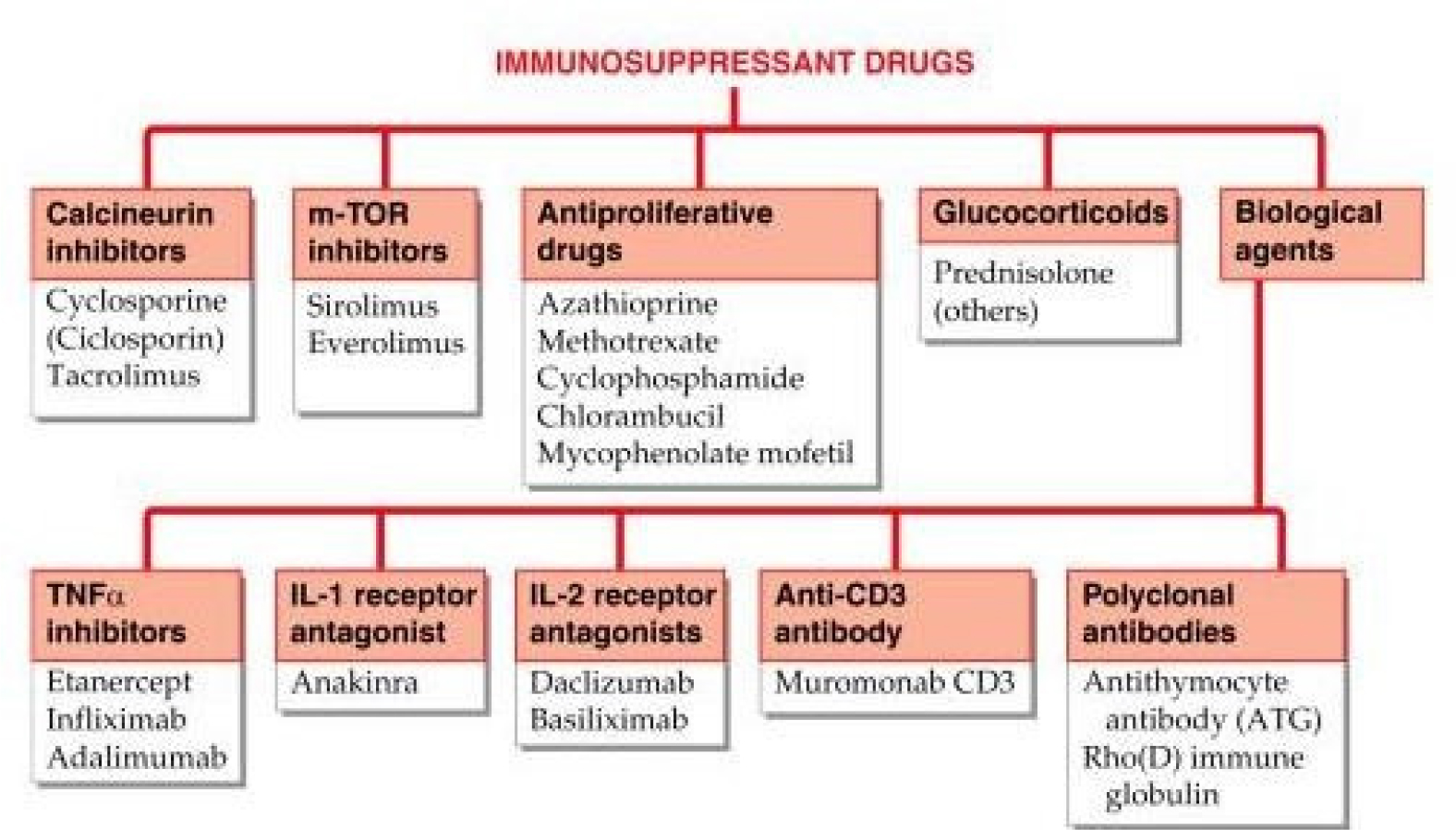
Figure 1:
Classification of immunosuppressant drugs (Grinyó, 2013).
AIM & OBJECTIVES
Aim
To analyze the Prescription pattern of immunosuppressants used in post-transplant patients-a retrospective observational study.
Primary objective
Secondary objective
MATERIALS AND METHODS
The study was conducted after getting IEC Approval in the Inpatient Departments of Aster CMI Hospital, Bangalore, India. IEC ref no: Aster/IEC/Thesis/026/2024-25.
Study site
Study center
Study design
The research comprises backward-looking observational studies.
Study duration
Sample size
De-identification of patient information is done by
a. Eliminating Direct Identifiers: Name, Contact information, social security number, and medical record number are either hidden or eliminated.
b. Generalizing Data: information about a person’s age, ZIP code, or date of birth may be extrapolated to larger groups.
c. Suppressing or Masking Unique Information: Certain treatment dates or rare diseases may be concealed because they may obliquely reveal patient identity.
d. Review and Validation: following de-identification, a review is carried out to ensure that the data that remains cannot be used to directly or indirectly identify any individual again.
Study Criteria
Exclusion criteria
Method of collection of data/study procedure
Method of collection of data/study procedure
RESULTS
Table 1: Department involved.
| Department | Frequency (%) |
|---|---|
| Cardiology | 1 (0.9) |
| Hepatology | 49 (45.8) |
| Nephrology | 56 (52.3) |
| Pulmonology | 1 (0.9) |
Table 2: Anti-rejection drugs.
| Anti-rejection drugs | Frequency (%) |
|---|---|
| Hydrocortisone | 1 (0.9) |
| Methylprednisolone | 4 (3.8) |
Table 3: Mortality.
| Mortality | Frequency (%) |
|---|---|
| Cardiac failure | 1 (0.9) |
Table 4: Medication compliance.
| Medication Compliance | Frequency (%) |
|---|---|
| Yes | 107 (100) |
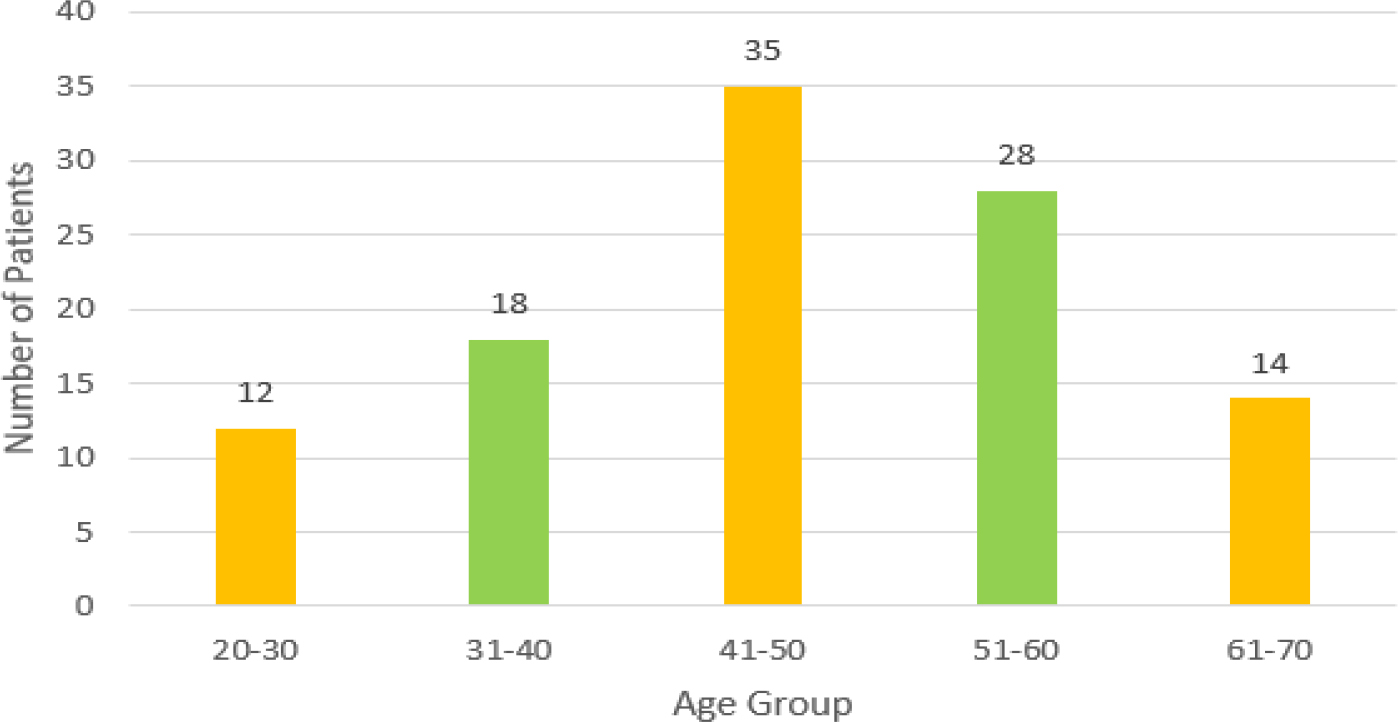
Figure 2:
Age Distribution of patients.
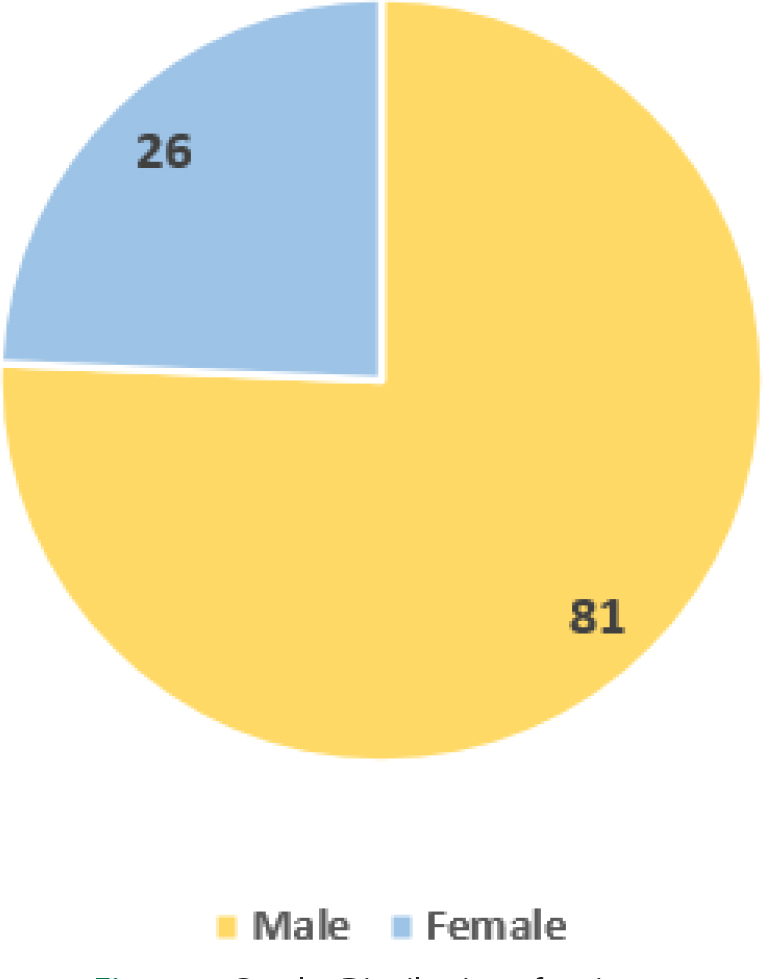
Figure 3:
Gender Distribution of patients.
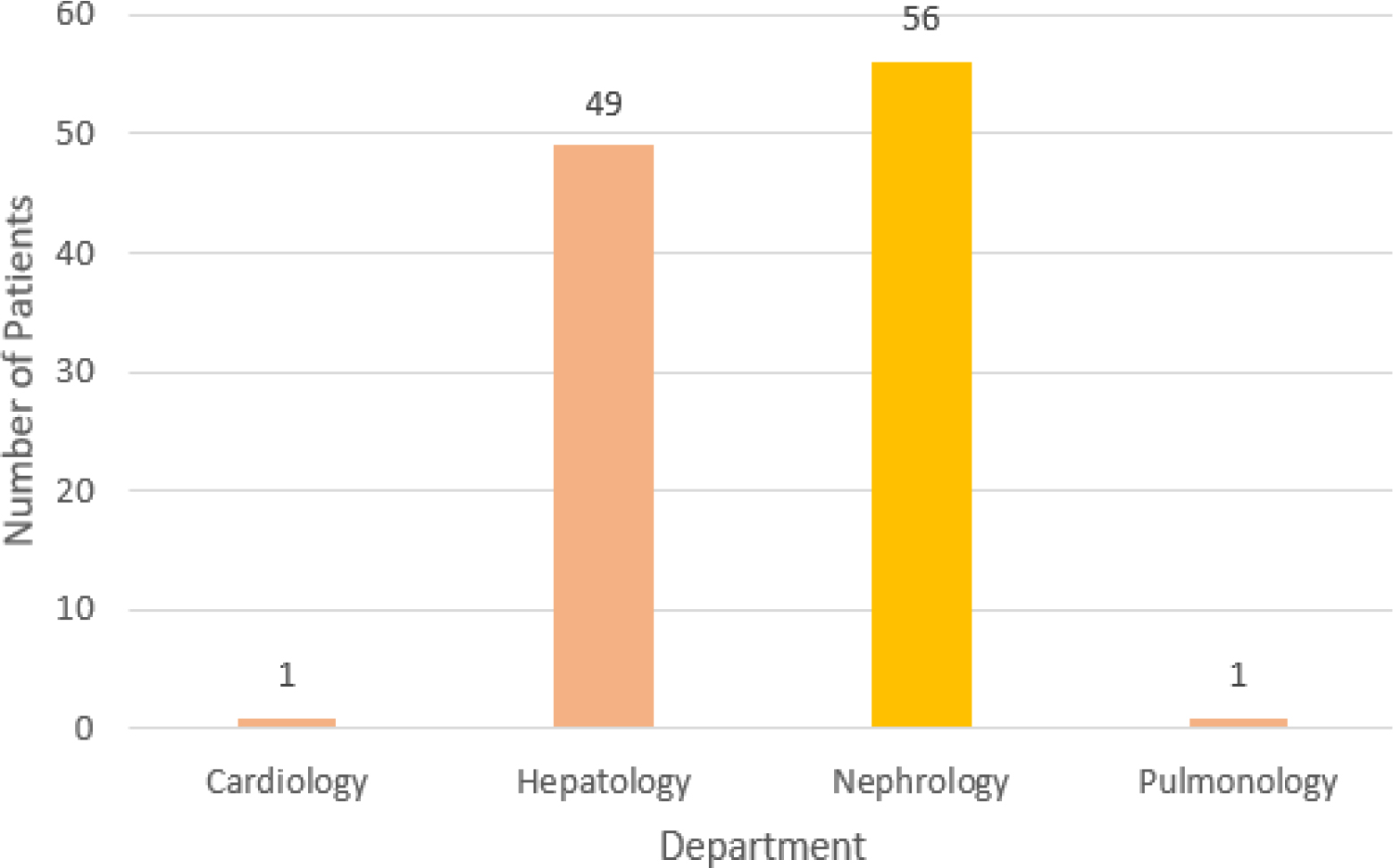
Figure 4:
Department involved.
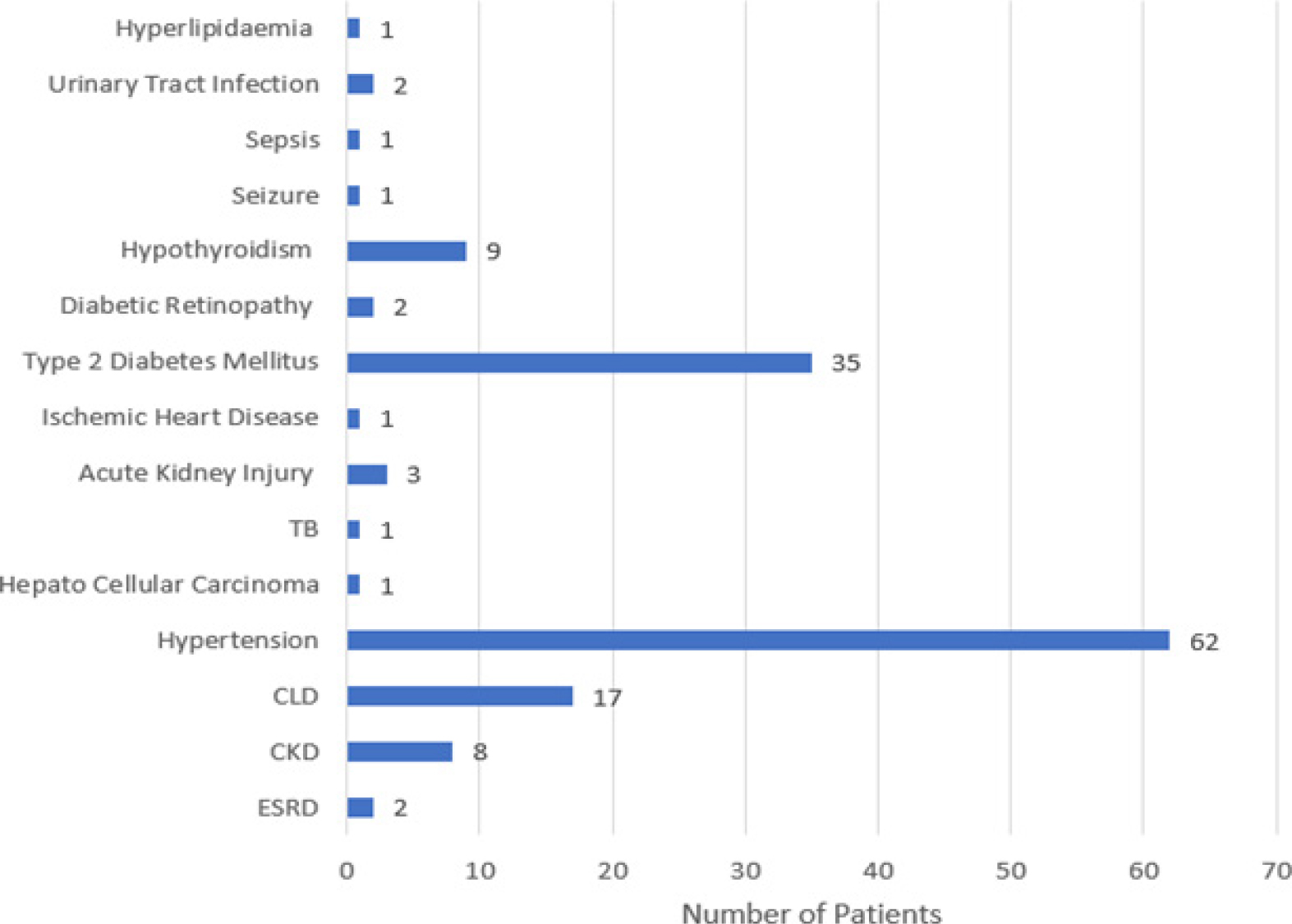
Figure 5:
Diagnosis and comorbidity.
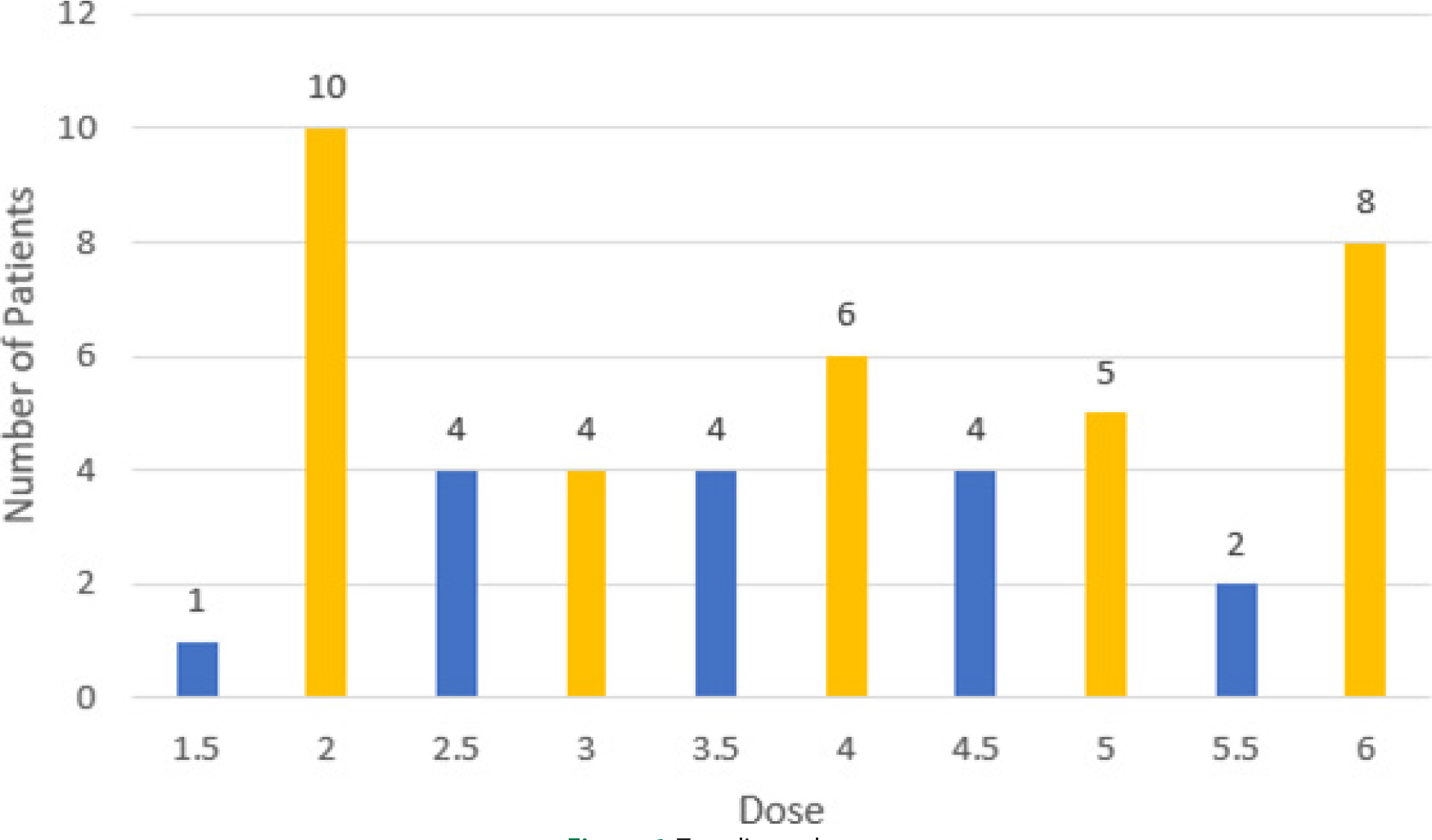
Figure 6:
Tacrolimus dose.
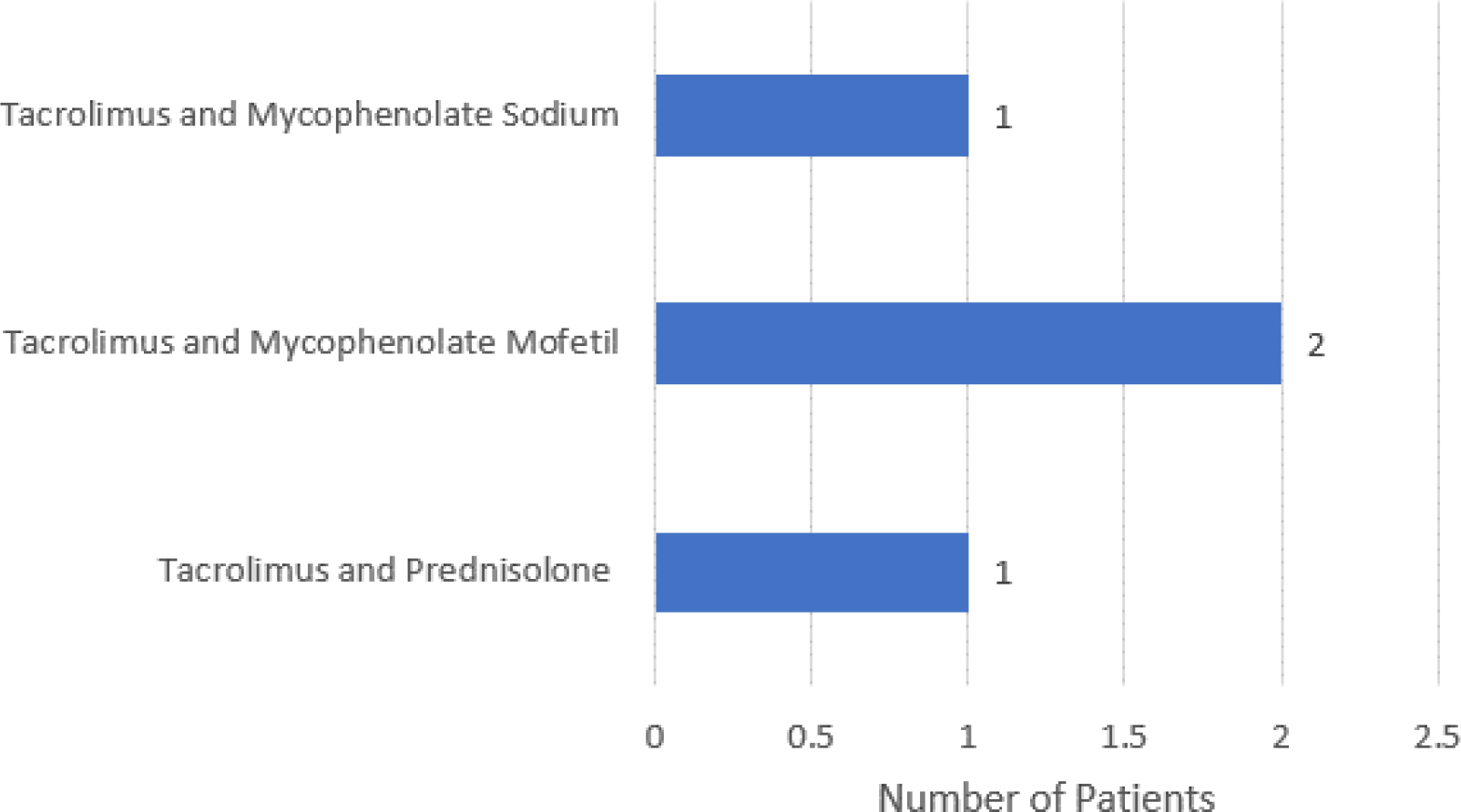
Figure 7:
Dual therapy in prescribed drugs.
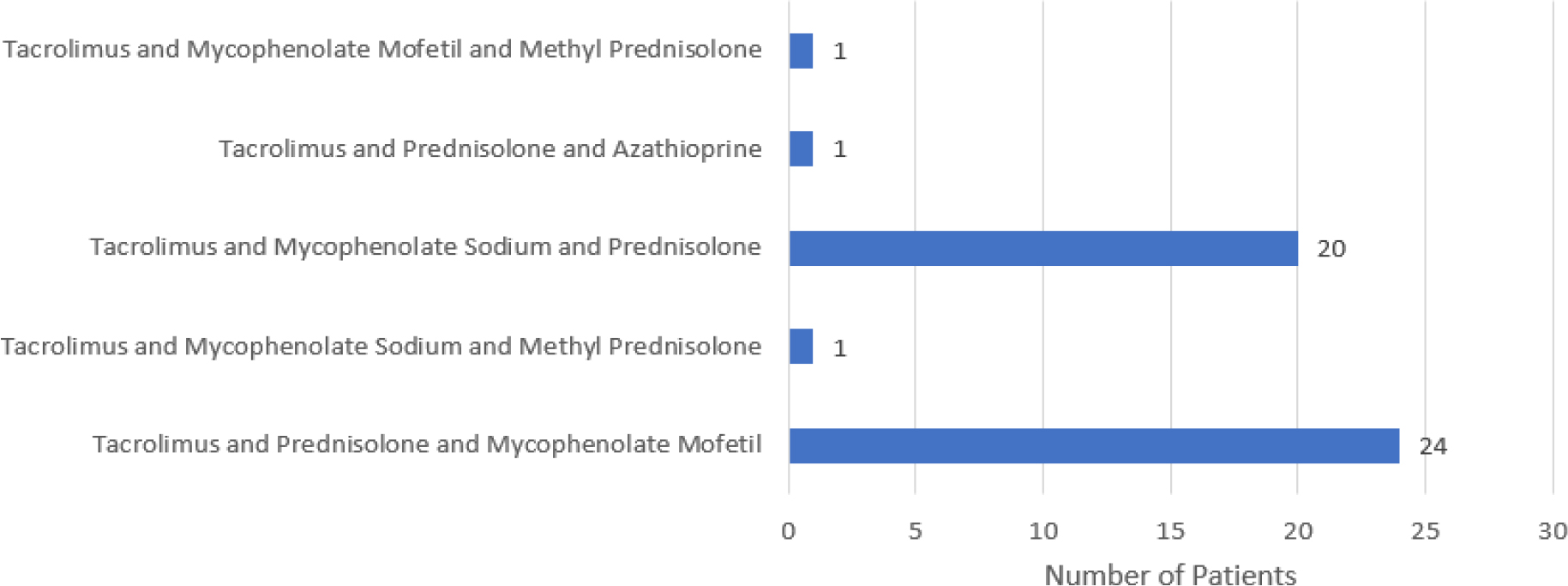
Figure 8:
Triple therapy in prescribed drugs.
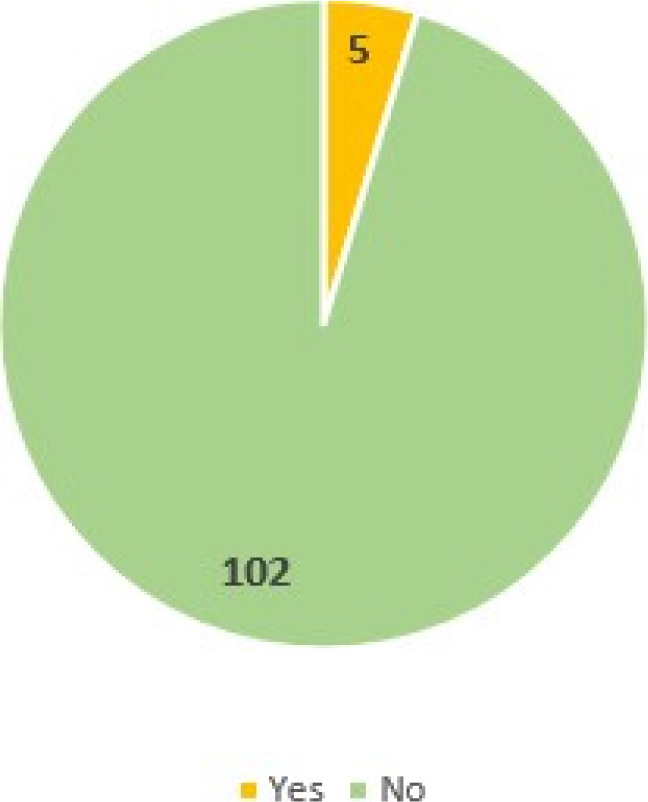
Figure 9:
Antirejection therapy.
DISCUSSION
The study aimed to analyze the prescription patterns of immunosuppressants in post-transplant patients. Our findings revealed that the incidence of organ transplantation was more in males. From the study we found out that a small number of participants were on two-drug regimens in prescription. Tacrolimus and prednisolone, mycophenolate mofetil and tacrolimus and mycophenolate sodium were prescribed in dual therapy. Whereas triple therapy shows a higher prevalence. The most common combination was tacrolimus, prednisolone, and mycophenolate mofetil, prescribed to 24 participants (22.4%). Another common regimen was tacrolimus, mycophenolate sodium, and prednisolone, prescribed to 20 participants (18.7%). Out of 107 patients 53 patients were on maintenance therapy. In maintenance therapy triple drug therapy was most commonly used. The most common triple therapy combination was tacrolimus, mycophenolate sodium, and prednisolone, used by 24 participants (22.4%). Dual therapy was more frequently used for maintenance. The most common combination was tacrolimus and prednisolone, prescribed to 7 participants (6.5%). Optimizing post-transplant patient care requires an understanding of common immunosuppressant patterns, which enables medical professionals to personalize treatments to meet the specific needs of each patient and improve graft survival.
CONCLUSION
In conclusion, this study contributes valuable insights into the evolving prescription patterns of immunosuppressants in post-transplant care. With continued research and the application of these findings, there is potential to significantly enhance the quality of care for transplant recipients, ultimately improving long-term patient outcomes.
Acknowledgments
The authors thank Dr Ashly Ann Varghese, Head of the Department of Pharmacy Practice, Oxbridge College of Pharmacy for her continuous support, motivation and assistance.
Conflict of Interest
The authors declare that there is no conflict of interest.
References
Ethical issues in organ transplantation. (2003). Medical Principles and Practice, 12(1), 54-69. https://doi.org/10.1159/000068158
Why is organ transplantation clinically important?. (2013). Cold Spring Harbor Perspectives in Medicine, 3(6), a014985. https://doi.org/10.1101/cshperspect.a014985
Immunosuppressive drugs. (2022). Encyclopedia of infection and immunity, 726.
Consensus recommendations for use of maintenance immunosuppression in solid organ transplantation: Endorsed by the American College of Clinical Pharmacy, American Society of Transplantation, and the International Society for Heart and Lung Transplantation. (2022). Pharmacotherapy: The Journal of Human Pharmacology and Drug Therapy, 42(8), 599-633. https://doi.org/10.1002/phar.2716
Prescribing pattern and safety of immunosuppressants in renal transplant patients: An observational study. (2023). Cureus, 15(9), e46200. https://doi.org/10.7759/cureus.46200
Cell therapy in organ transplantation: Our experience on the clinical translation of regulatory T cells. (2018). Frontiers in Immunology, 9, 354. https://doi.org/10.3389/fimmu.2018.00354