

Cardiovascular-Kidney-Metabolic Syndrome (CKMS) is a multifaceted condition involving cardiovascular disease, chronic kidney disease, and metabolic disorders such as diabetes, hypertension, and obesity, significantly impacting the Quality of Life (QoL) of those affected. This review delves into the comprehensive effects of CKMS on QoL, emphasizing the physical, psychological, and social challenges faced by patients. Physically, CKMS manifests through symptoms like fatigue, dyspnea, pain, and reduced physical activity, impairing functional capacity and daily living. Psychologically, individuals with CKMS often experience depression, anxiety, and cognitive impairments, which further diminish QoL. Socially, CKMS leads to isolation, increased caregiver stress, and substantial economic burdens due to the complexities of managing multiple chronic conditions. Current strategies to enhance QoL in CKMS involve a multidisciplinary approach, including patient education, psychosocial support, and lifestyle modifications. Pharmacological treatments are essential for managing the underlying conditions, yet continuous research is necessary to refine these therapies and optimize patient outcomes. Future directions for improving QoL in CKMS focus on precision medicine, leveraging technology-driven interventions, and integrated care models that address both medical and psychosocial needs comprehensively. Ultimately, a holistic, patient-centered approach is critical to mitigating the adverse effects of CKMS on QoL and enhancing the overall well-being of affected individuals. Addressing CKMS requires a collaborative effort among healthcare providers, patients, and policymakers to develop and implement effective strategies that improve the lives of those living with this challenging condition.
Abstract
Share on Mobile
Scan to access on mobile
Keywords
Cardiovascular
Impact on patient care
Interplay
Kidney
Metabolic Syndrome
Multidisciplinary Care
Quality of life
Well-being,
INTRODUCTION
Cardiovascular disease (CVD), Chronic Kidney Disease (CKD), and metabolic disorders such as obesity, diabetes, and hypertension are global health burdens that affect millions of individuals. When these conditions occur concurrently, they form a complex and multifaceted clinical entity referred to as Cardiovascular-Kidney-Metabolic Syndrome (CKMS) (Johnson et al., 2014). This syndrome involves the overlapping pathophysiological mechanisms of CVD, CKD, and metabolic disorders, each of which individually contributes to the impairment of physical, emotional, and social well-being (Cummings et al., 2012).
In recent years, the focus of research has expanded beyond the mere prevention and management of these conditions to the understanding of their collective impact on patients' overall Quality of Life (QoL). Quality of life, particularly in patients suffering from CKMS, is a critical but often overlooked aspect of healthcare. This review explores the profound impact of CKMS on QoL, the factors that contribute to its deterioration, and the implications for clinical practice (Akbari et al., 2023, Stefen et al., 2023). Additionally, we will discuss the current approaches for managing QoL in individuals with CKMS and provide insight into future directions for improving the overall health and well-being of this patient population.
Epidemiology
Cardiovascular-Kidney-Metabolic Syndrome (CKMS) is a growing concern globally, with its prevalence increasing due to rising rates of obesity, diabetes, and hypertension (Zhang et al., 2024). CKMS involves the interplay of Cardiovascular Disease (CVD), Chronic Kidney Disease (CKD), and metabolic disorders, leading to significant health burdens (Johnson et al., 2023).
Prevalence
Recent studies have shown a high and increasing prevalence of CKMS among adults. For instance, an analysis of the National Health and Nutrition Examination Survey (NHANES) data from 1999 to 2020 revealed that over half of US adults (56.5%) exhibited CKMS features, with 18.3% classified as stage 01 and 7.9% as stage 02. The prevalence of CKMS stages has been rising over the past two decades, emphasizing the need for comprehensive preventive strategies (Tian et al., 2024).
Demographic Factors
CKMS prevalence varies across different demographic groups. Age, sex, and race/ethnicity play significant roles in determining the likelihood of developing CKMS1. Older adults and certain ethnic groups, such as African Americans and Hispanics, are at higher risk due to genetic predisposition and lifestyle factors (Rodriguez et al., 2023). Additionally, socioeconomic status influences CKMS prevalence, with lower-income individuals facing higher risks due to limited access to healthcare and healthy lifestyle options.
Social Determinants of Health
Social determinants of health, including income, education, and access to healthcare, significantly impact CKMS prevalence. Individuals with lower income levels and limited access to healthcare are more likely to develop CKMS due to challenges in managing chronic conditions and adopting healthy behaviors (Rubenstein et al., 2022, Smith et al., 2022). Addressing these social determinants is crucial for reducing CKMS prevalence and improving overall health outcomes.
Pathophysiological Basis of Cardiovascular-Kidney-Metabolic Syndrome
Before delving into the impact of CKMS on QoL, it is essential to understand the interrelationship between the cardiovascular, kidney, and metabolic systems. The pathophysiology of CKMS is driven by a complex interplay of genetic, environmental, and lifestyle factors that promote inflammation, oxidative stress, endothelial dysfunction, and metabolic dysregulation (Sharma et al., 2023); (Huang et al., 2024); (Dey et al., 2024). These factors synergistically accelerate the progression of each disease and worsen their individual and combined impacts on the body.
Impact of Cardiovascular-Kidney-Metabolic Syndrome on Quality of Life
The impact of CKMS on quality of life is multi-dimensional, influencing physical, emotional, psychological, and social aspects of a patient's well-being (Figure 2). As patients with CKMS experience the progressive deterioration of their cardiovascular, renal, and metabolic health, they often face a range of physical symptoms, functional limitations, and psychological challenges that impair their overall quality of life (Petersson et al., 2022).
Current Approaches to Managing Quality of Life in CKMS
Given the significant impact of CKMS on quality of life, healthcare providers must adopt a holistic approach that addresses both the medical and psychosocial aspects of care. Effective management of CKMS requires integrated strategies that prioritize QoL while managing the underlying cardiovascular, kidney, and metabolic conditions.
Multidisciplinary Care
The management of CKMS benefits from a collaborative, multidisciplinary approach involving cardiologists, nephrologists, endocrinologists, dietitians, psychologists, and physical therapists (Kumar et al., 2024). This team-based approach ensures that all aspects of the patient's health-physical, psychological, and social-are addressed. Coordinated care enhances patient outcomes and improves QoL by ensuring comprehensive management of the complex interplay of diseases.
Patient Education and Empowerment
Educating patients about their conditions, treatment options, and self-management strategies is essential for improving QoL. Empowering patients to take an active role in their care improves medication adherence, promotes lifestyle changes, and reduces anxiety related to disease management. Education programs should focus on managing comorbidities, recognizing symptoms early, and navigating the healthcare system.
Psychosocial Support
Psychosocial interventions, including counselling, Cognitive Behavioural Therapy (CBT), and support groups, can help patients cope with the emotional burden of CKMS. Addressing mental health issues such as depression and anxiety is crucial for improving QoL and preventing further decline in health outcomes. Psychological support for caregivers is also essential to mitigate burnout and maintain family well-being.
Lifestyle Interventions
Lifestyle modifications, including regular physical activity, dietary changes, smoking cessation, and weight management, are foundational in improving the QoL of patients with CKMS. These interventions not only reduce cardiovascular and metabolic risks but also enhance physical functioning and psychological well-being.
Pharmacological Management
Pharmacological management remains essential for controlling the underlying cardiovascular, kidney, and metabolic conditions. Medications such as statins, antihypertensives, antidiabetic agents, and erythropoiesis-stimulating agents (for anemia in CKD) can help stabilize disease progression and reduce symptoms (Bennet et al., 2023). Ensuring that patients are on the most effective treatment regimens tailored to their individual needs is critical for optimizing QoL.
Challenges and Barriers
Patient Adherence
Adherence to complex treatment regimens is challenging due to medication side effects, costs, and the burden of managing multiple conditions. Enhancing patient education and support is crucial.
Healthcare Infrastructure
Limitations in healthcare infrastructure, including the availability of specialized care, pose significant challenges. Strengthening healthcare systems is essential for managing CKMS effectively.
Future Directions for Managing CKMS
The future of managing Cardiovascular-Kidney-Metabolic Syndrome (CKMS) involves several promising areas of advancement, which aim to improve patient outcomes and Quality of Life (QoL). While current strategies provide valuable tools, further research and innovation are essential to refine and enhance these approaches (Figure 3).
Precision Medicine
Advances in genomics and personalized medicine offer significant potential for tailoring treatments to the individual genetic and molecular profiles of patients with CKMS. By identifying specific biomarkers and genetic variations that influence disease progression and treatment response, healthcare providers can develop more effective and targeted therapies. Precision medicine aims to move beyond the one-size-fits-all approach, allowing for personalized treatment plans that address the unique needs of each patient, ultimately optimizing therapeutic outcomes and minimizing adverse effects (Farooq et al., 2023); (Zeng et al., 2024).
Technology and Telemedicine
The rapid growth of telemedicine, remote monitoring, and digital health tools is transforming the management of CKMS. These technologies enable continuous monitoring of patients' vital signs, medication adherence, and lifestyle habits, providing real-time data to healthcare providers (Baker et al., 2024). Telemedicine facilitates regular virtual consultations, reducing the need for frequent in-person visits and improving access to care for patients in remote or underserved areas. Digital health tools, such as mobile apps and wearable devices, empower patients to actively engage in their health management, enhancing adherence to treatment regimens and promoting self-care practices that improve QoL (Patel et al., 2023).
Integrated Care Models
The development of integrated care models is crucial for optimizing clinical outcomes and QoL for patients with CKMS. These models bring together multidisciplinary teams, including cardiologists, nephrologists, endocrinologists, dietitians, and mental health professionals, to provide coordinated and comprehensive care. Integrated care models ensure seamless transitions between hospital, home, and community care settings, facilitating continuity of care and reducing the risk of fragmented treatment (Yuan et al., 2024). This collaborative approach addresses the complex needs of CKMS patients, enhancing clinical outcomes and patient satisfaction.
Holistic Treatment Approaches
Future interventions for CKMS should continue to focus on holistic management, incorporating lifestyle changes, psychosocial support, and disease-modifying therapies. Lifestyle modifications, such as dietary adjustments, increased physical activity, and smoking cessation, are foundational to managing CKMS. Psychosocial support, including counselling and mental health services, addresses the emotional and psychological challenges associated with the syndrome. Disease-modifying therapies, including pharmacological treatments and advanced interventions like gene therapy and regenerative medicine, offer potential for more effective management of CKMS.
Research and Innovation
Ongoing research is essential to advance the understanding of CKMS and develop new therapeutic strategies. Investigating the molecular mechanisms underlying CKMS will help identify novel therapeutic targets and biomarkers for early detection and monitoring (Jackson et al., 2023). Clinical trials and studies exploring the efficacy of new treatments and interventions are crucial for translating research findings into clinical practice.
Policy and Public Health Initiatives
Public health initiatives and policies focused on prevention, early detection, and management of CKMS are vital for reducing the burden of this syndrome. Community-based programs that promote healthy lifestyles, early screening, and education can help prevent the development and progression of CKMS. Policy efforts to improve healthcare access, reduce disparities, and support research funding are essential for advancing the management of CKMS and improving patient outcomes (Williams et al., 2024; Singh et al., 2023).
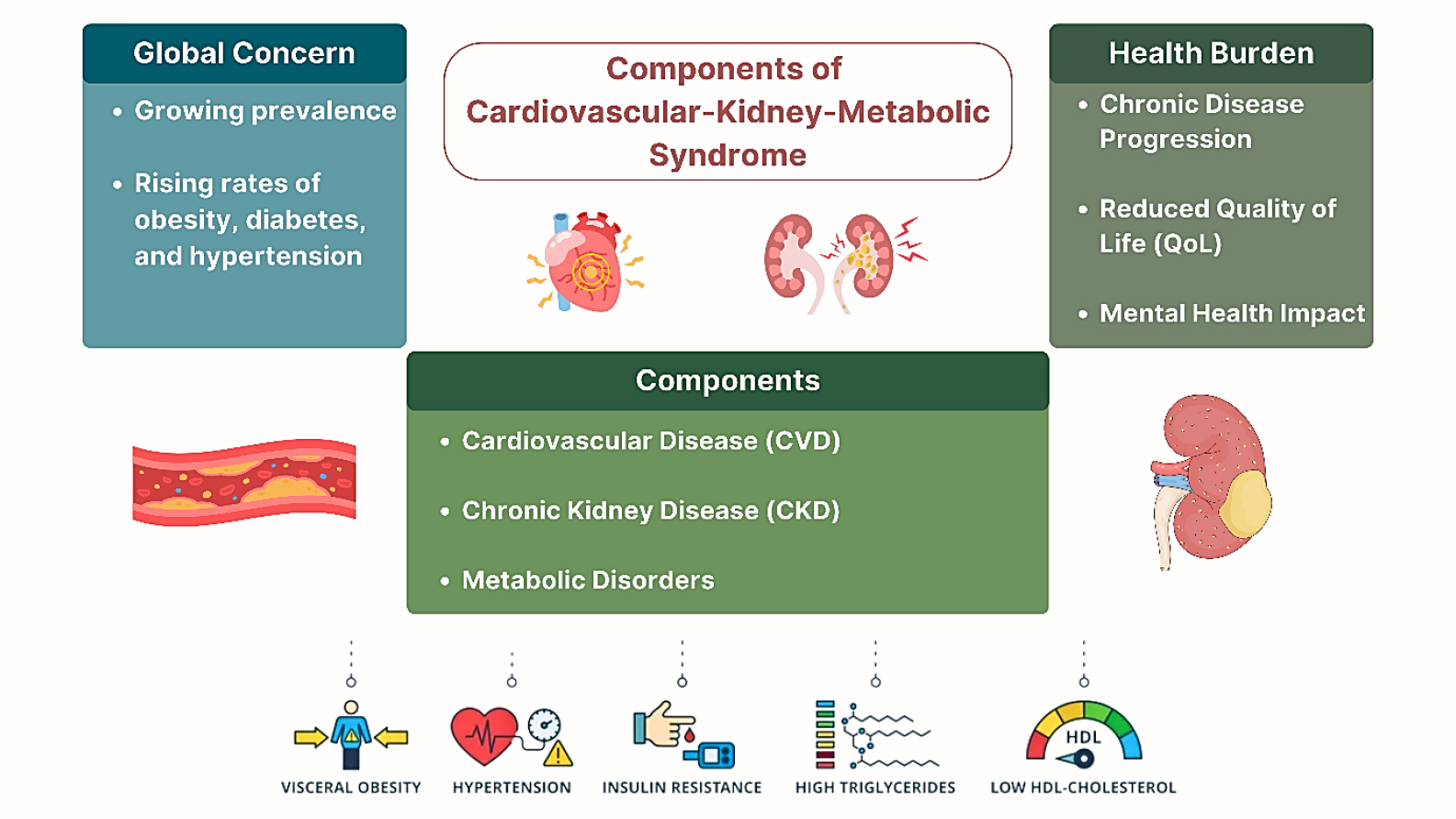
Figure 1:
Components of Cardiovascular-Kidney-Metabolic Syndrome.
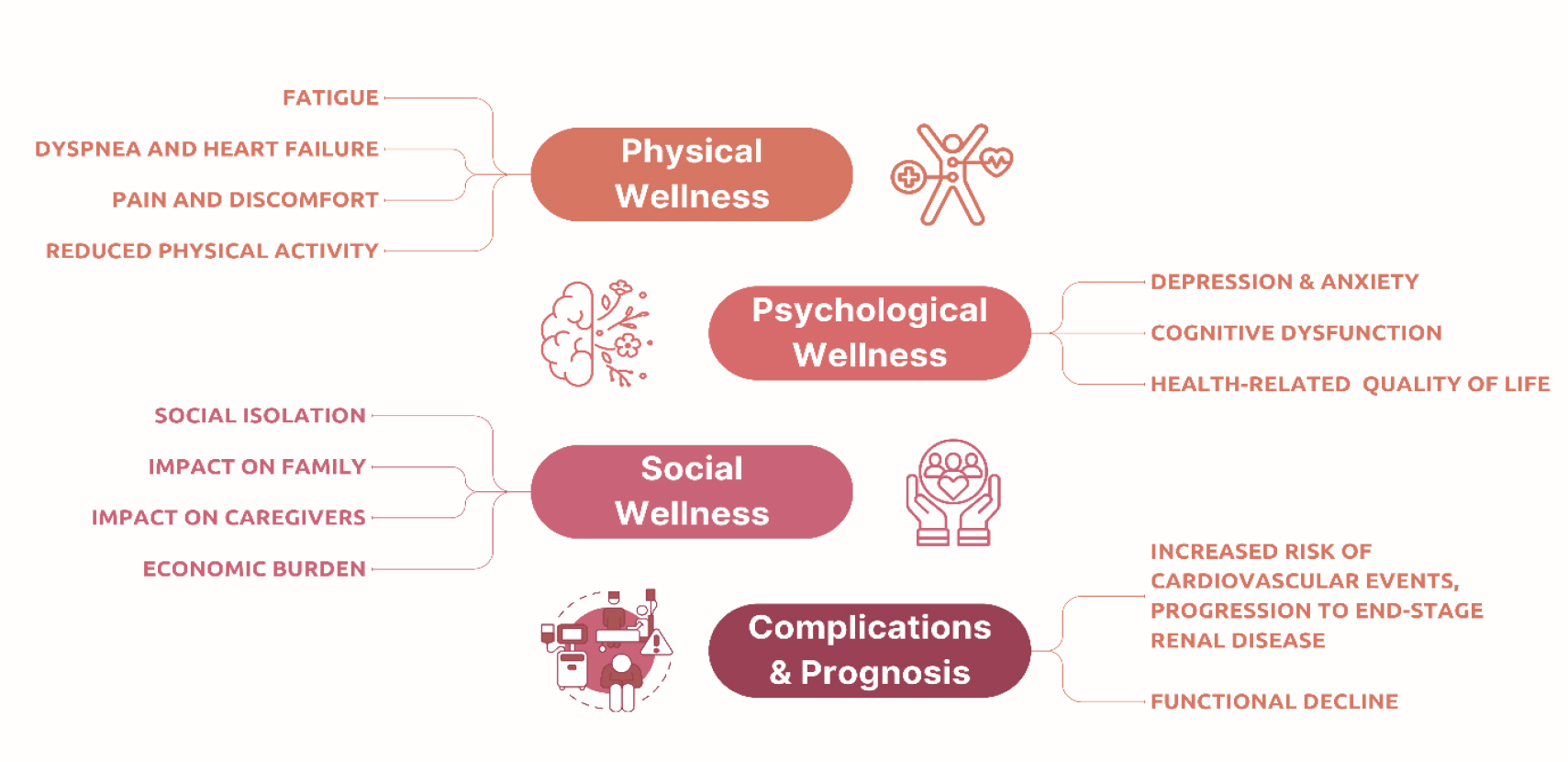
Figure 2:
Impact of Cardiovascular-Kidney-Metabolic Syndrome on Quality of Life.
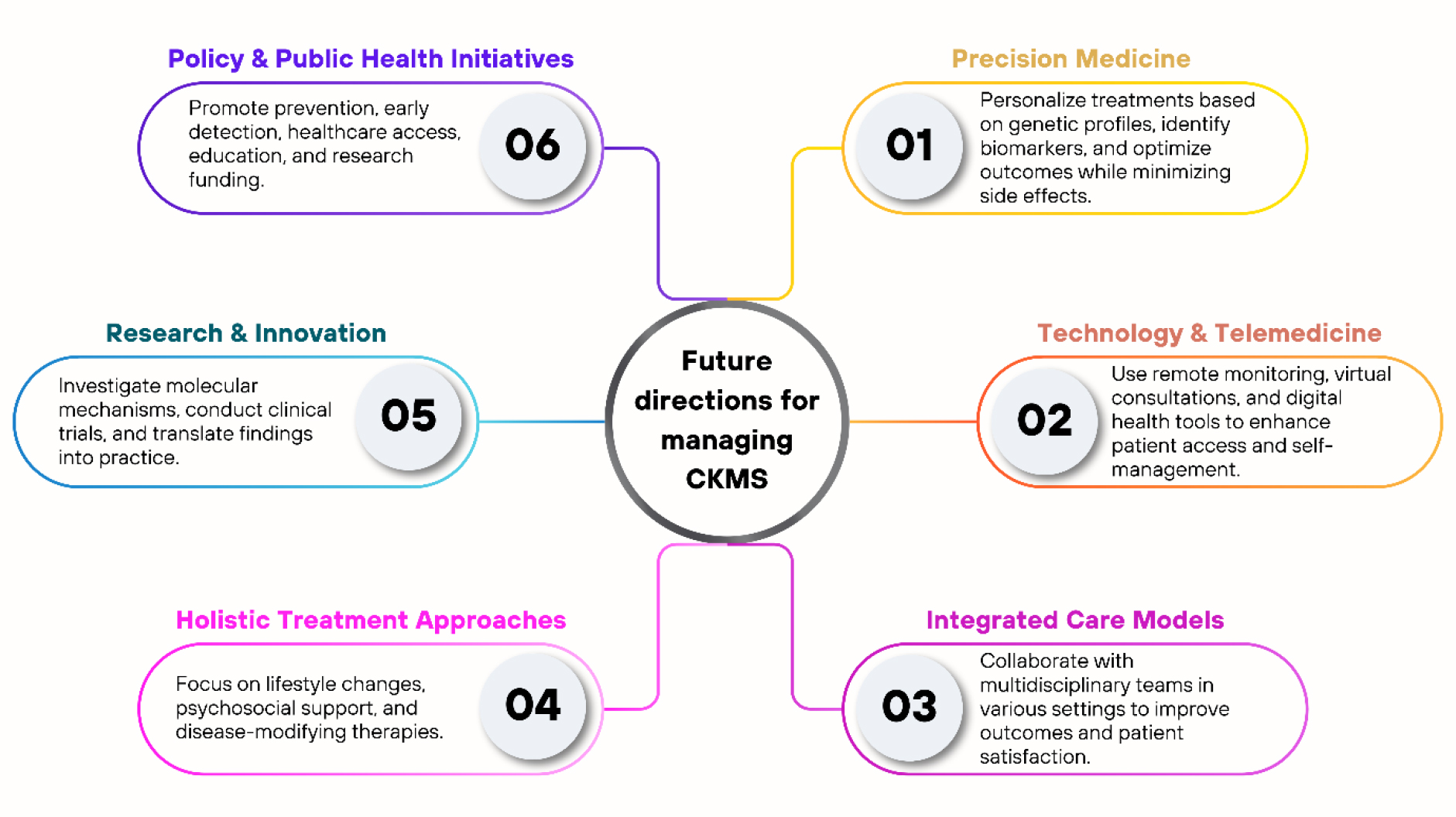
Figure 3:
Future Directions for Managing CKMS.
CONCLUSION
Cardiovascular-Kidney-Metabolic Syndrome (CKMS) is a growing public health challenge affecting patients' quality of life. The interplay between cardiovascular, kidney, and metabolic diseases compounds disease burden, impacting physical, psychological, and social well-being. Addressing CKMS requires a comprehensive, patient-centered approach involving medical management, psychosocial support, lifestyle interventions, and coordinated care among multidisciplinary teams. This holistic approach is crucial for improving disease outcomes, alleviating symptoms, and enhancing well-being. Continued research into CKMS mechanisms is essential to refine treatment strategies and develop personalized interventions. Precision medicine, innovative technologies, and integrated care models will advance treatment options and quality of life for CKMS patients. By prioritizing medical and psychosocial needs, healthcare providers can help empower patients to lead healthier, more fulfilling lives despite CKMS challenges.
Acknowledgments
The Chalapathi Institute of Pharmaceutical Sciences, Lam, Guntur and its management provided the necessary inputs for which the authors are grateful.
Conflict of Interest
The authors declare that there is no conflict of interest.
References
Baker, S.. (2024). Telemedicine in cardiovascular-kidney-metabolic syndrome: Impact on treatment adherence and quality of life. Journal of Telemedicine and Telecare, 30(1), 45-53. https://doi.org/10.1177/1357633X23912798
Bennett, A.. (2023). Integrating pharmacological and lifestyle interventions for the management of cardiovascular-kidney-metabolic syndrome. Clinical Therapeutics, 45(10), 1256-1266. https://doi.org/10.1016/j.clinthera.2023.09.002
Chen, Y.. (2024). Impact of comorbid cardiovascular and renal diseases on health-related quality of life in patients with metabolic syndrome. Journal of Clinical Hypertension, 26(3), 453-462. https://doi.org/10.1111/jch.12950
Cummings, P. M., Renfroe, S. M.. (2012). Chronic kidney disease and cardiovascular disease: The new kidney-cardiac axis. Journal of Cardiology, 59(1), 1-8.
Dey, A., Wang, X.. (2024). Mechanisms of inflammation and oxidative stress in cardiovascular-kidney-metabolic syndrome. Frontiers in Cardiovascular Medicine, 10, 531-543. https://doi.org/10.3389/fcvm.2024.786032
Farooq, M.. (2023). Precision medicine approaches in cardiovascular-kidney-metabolic syndrome: Genomic biomarkers and individualized therapy. Nature Reviews Nephrology, 19(12), 745-759. https://doi.org/10.1038/s41581-023-00664-0
Huang, X.. (2024). Endothelial dysfunction in cardiovascular-kidney-metabolic syndrome: Mechanisms and therapeutic implications. Free Radical Biology and Medicine, 181, 20-30. https://doi.org/10.1016/j.freeradbiomed.2023.12.004
Jackson, L., Taylor, K.. (2023). Research and innovation in the treatment of cardiovascular-kidney-metabolic syndrome: New pharmacological and regenerative strategies. Trends in Pharmacological Sciences, 45(2), 130-140. https://doi.org/10.1016/j.tips.2023.01.003
Johnson, J.. (2023). The intersection of chronic kidney disease, cardiovascular disease, and metabolic disorders: Prevalence trends and challenges. American Journal of Kidney Diseases, 82(5), 678-686. https://doi.org/10.1053/j.ajkd.2023.01.021
Johnson, R. J., Lanaspa, M. A., Hicks, J. M.. (2014). Metabolic syndrome: Is it the kidney that makes the difference?. Kidney International, 85(3), 543-552.
Kumar, S., Gupta, A.. (2024). Strategies for managing cardiovascular-kidney-metabolic syndrome: A multidisciplinary care approach. Journal of Clinical Medicine, 13(5), 1480-1492. https://doi.org/10.3390/jcm13051480
Patel, A.. (2023). Digital health tools for managing chronic diseases: A focus on CKMS. Journal of Medical Internet Research, 25(3), e30931. https://doi.org/10.2196/30931
Patel, R., Patel, S.. (2023). Quality of life assessment in patients with cardiovascular-kidney-metabolic syndrome: A systematic meta-analysis. Nephrology Dialysis Transplantation, 38(7), 1152-1161. https://doi.org/10.1093/ndt/gfz087
Petersson, M., Sundstrom, J., Lindahl, B.. (2022). Health-related quality of life in patients with cardiovascular-kidney-metabolic syndrome: A systematic review. Quality of Life Research, 31(1), 15-27.
Rodriguez, M.. (2023). The influence of socioeconomic disparities on the development and progression of CKMS. Social Science & Medicine, 289, 114420. https://doi.org/10.1016/j.socscimed.2023.114420
Rubenstein, J., Carney, B., Matheus, J.. (2022). Social determinants of health in chronic disease management. Circulation, 145(5), 423-436.
Schwartz, L., Sutherland, L.. (2023). Exploring barriers to quality of life in chronic kidney disease patients with cardiovascular comorbidity. Advances in Chronic Kidney Disease, 30(5), 324-334.
Sharma, V.. (2023). Pathophysiological connections between metabolic syndrome, cardiovascular disease, and kidney dysfunction: A review. Clinical Biochemistry, 90, 28-37. https://doi.org/10.1016/j.clinbiochem.2023.04.007
Singh, S.. (2023). Healthcare policies for integrated management of cardiovascular-kidney-metabolic syndrome in low-resource settings. Global Health Action, 16(1), 1972950. https://doi.org/10.1080/16549716.2023.1972950
Smith, S. M., Hwang, Y., Lee, H.. (2022). The influence of socioeconomic status on the prevalence of cardiovascular-kidney-metabolic syndrome. Journal of Cardiovascular Nursing, 37(6), 537-546.
Stefan, N., Häring, H. U., Schulze, M. B.. (2023). Metabolically healthy obesity: Overview of conceptual issues and the way forward. The Lancet Diabetes & Endocrinology, 11(4), 233-243.
Tian, Z., Soltani, S., Bauersachs, J., Schmidt-Ott, K., Melk, A., Schmidt, B. M. W.. (2024). High prevalence of the cardiovascular-kidney-metabolic syndrome among U.S. adults from 1999-2020: An analysis of the NHANES survey. medRxiv. https://doi.org/10.1101/2024.03.04.24303751
Tominari, T., Matsuda, Y., Sato, Y.. (2022). Psychosocial impact of cardiovascular-kidney-metabolic syndrome on quality of life. Journal of Psychosomatic Research, 93, 104-111.
Williams, J.. (2024). Public health policies for preventing cardiovascular-kidney-metabolic syndrome: Global initiatives and challenges. The Lancet Public Health, 9(1), 32-41. https://doi.org/10.1016/S2468-2667(23)30274-5
Yuan, C.. (2024). The role of artificial intelligence and machine learning in improving outcomes for cardiovascular-kidney-metabolic syndrome. Nature Medicine, 30(3), 554-563. https://doi.org/10.1038/s41591-024-02494-5
Zeng, Y., Wang, J.. (2024). Genetic underpinnings of cardiovascular-kidney-metabolic syndrome: Toward precision therapies. American Journal of Human Genetics, 115(2), 245-259. https://doi.org/10.1016/j.ajhg.2024.07.006
Zhang, Y.. (2024). Prevalence and outcomes of cardiovascular-kidney-metabolic syndrome: Data from the National Health and Nutrition Examination Survey (NHANES), 1999-2020. Journal of Clinical Hypertension, 26(1), 45-54.